Victoria
Anker SOLIX battery installers in Victoria.
Get matched with top solar companies in Victoria
- Slim Anker SOLIX X1 battery modules keep your storage in one compact stack
- Unlock up to $7,000 in federal solar + battery rebates*
- Compare quotes from vetted installers, with Anker SOLIX experience where available
Anker SOLIX
What could an Anker SOLIX battery save your home?
*For eligible combined solar and battery installations before January 2027. Battery-only rebates vary with usable capacity. Your installer confirms eligibility and amount.
✓ Up to 3 vetted installers
✓ Free to compare, no obligation
✓ Your chosen battery, your quote request
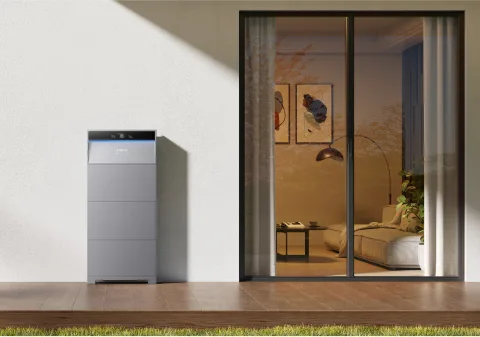
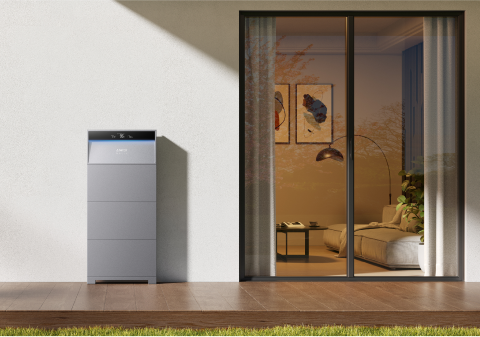
Meet Anker SOLIX A slim, coastal-tough home battery that switches over in 0 ms, Anker says.
- Keep solar from another brand
Already have solar from another brand? Anker says its Power Dock Pro keeps the battery charging from it, even in outages.
Needs the Power Dock Pro in your quote.
- No flicker when the grid drops
Anker says it switches over in 0 ms, so the wi-fi, fridge and work laptop keep running in a blackout.
Ask your installer which circuits are wired for backup.
- Fits narrow spaces
An ultra-thin unit with batteries stacked front to back, so it fits narrow spaces and saves floor width.
- Covered for up to 10 years
Anker covers the X1 and Power Dock Pro together for up to 10 years.
Ask what cover applies if your quote has no Power Dock Pro.
C5-M coastal rating; check its warranty's corrosion terms.
The company behind it
A consumer electronics maker founded in 2011, whose Anker SOLIX home-energy brand launched in 2023.
Founded 2011
Anker says it was founded in 2011 by CEO Steven Yang, a former senior engineer at Google.
Global scale
Anker says it has over 200 million customers in 180-plus countries and regions.
X1 in Australia
Anker says all X1 models gained access to the Australian market in April 2025.
Want an Anker SOLIX battery in Victoria?
Get my Anker SOLIX quotesCompare up to 3 vetted installers. Free, no obligation.
Why Anker SOLIX is different
The company behind the SOLIX X1 is one most Australian households have already bought from — Anker, the consumer-electronics maker best known here for charging gear. SOLIX is its home-energy arm, and the X1 is what happens when a consumer-electronics company builds electrical plant: a slim, weather-sealed wall unit with an app that feels finished rather than bolted on. Australian volumes only began in late 2024, which frames everything else about the brand — the polish is real, and so is the shortness of the local record behind it.
There is not one X1 but two, and the split matters more than the shared name suggests. The AC-coupled X1 adds storage beside the solar system you already own — your inverter keeps its job and your panels are never touched. The hybrid X1 brings its own inverter and is the path for a new system, with single-phase and three-phase variants in the range. They are commissioned differently and suit different situations, so the first question about any Anker quote is which of the two it actually contains, and why.
Capacity is modular on both paths: stacks build from 5 kWh to 30 kWh by adding battery modules, so the system can start at the size your bills justify and grow when an EV or a heat pump changes the arithmetic. The slim profile and outdoor ingress rating widen where it can physically go — tight side passages that rule out bulkier units are workable here, which is a quieter advantage than it sounds until you have seen a switchboard wall with no room left.
The real caveat is age, not engineering. Early Australian customer review scores sit at the very top of the aggregates — a genuinely good signal, but a short one — and the local support infrastructure has not yet been tested by years of volume. Escalation paths exist; what nobody can show you is a decade of them working. That gap does not disqualify the product. It does mean the installer who commissions yours is carrying more of the outcome than they would for a long-established brand.
The SOLIX X1 system, piece by piece
The AC-coupled X1 is the retrofit organ. Choosing it decides that your existing solar stays exactly as it is — the battery does its own conversion on the AC side and your current inverter never knows the difference. It is the right piece when the solar on your roof is healthy and the job is purely adding storage.
The hybrid X1 decides the opposite question: it takes over the inverter role entirely, running panels, storage and grid through one unit. That makes it the piece for a new build or a full refresh, and it forces the phase decision — single or three — which follows your switchboard rather than your preference. Because newer generations of the range reach Australia in waves, the exact hybrid variant on a quote needs confirming as locally available, not assumed.
Battery modules are where the size is set. The stack you are quoted fixes both the capacity you get on day one and the ceiling you can grow into, so the useful question is not just how many modules but how many free positions remain — a stack described as expandable with zero empty slots is not expandable in any way that helps you.
The backup side is the piece that only exists if it is designed in. The X1’s switchover is quick enough that connected circuits barely notice the grid drop, but that speed applies solely to circuits an electrician wired to the backup side at install time. Which circuits those are is a quote-stage decision, and it belongs in writing.
Put Anker SOLIX to the test on your own numbers
Reading about it only goes so far — real quotes are where a Anker SOLIX decision gets made. Get 2-3 quotes from vetted installers in Victoria. Free for homeowners.
What Anker SOLIX does best
Leaving working solar alone. Because the AC-coupled X1 converts on its own side of the meter, a retrofit never opens up the existing solar system — no re-terminating panels, no replacing an inverter with years of life left. For the large population of homes that bought solar first and are adding storage second, that is the cleanest possible mechanism.
Fitting the wall you actually have. The slim enclosure and weather-sealed rating give an installer placement options that bulkier systems close off — a narrow side passage or an exposed external wall stays on the table. Placement flexibility sounds cosmetic until it is the difference between the battery going where cabling is short and cheap, or where it is neither.
Making the owner interface a strength. The app carries the company’s consumer-software heritage: charge behaviour and tariff windows are genuinely controllable rather than buried, and the day-to-day experience is closer to a well-made phone accessory than utility equipment. Owners who actually adjust charge timing to their tariff extract more value from identical hardware, and this is a system that invites them to.
Scaling in steps. The 5 to 30 kWh modular span means the purchase does not have to be a single correct bet — a household can buy the stack its current usage supports and add modules when circumstances change, provided the original configuration left slots free. That proviso is the design decision to get right on day one.
Who an Anker SOLIX X1 suits — and who it does not
It suits the retrofit household first. If your solar is recent, healthy and doing its job, the AC-coupled X1 is built for exactly your situation — storage added without disturbing anything that works. Buyers in this position should be wary of any quote that drifts toward the hybrid, because replacing a good inverter is cost without benefit.
It suits buyers who care how the thing looks and feels. That is not vanity: the slim wall profile is a real placement advantage, and the app is where the system’s daily value gets worked. A household that will open the app, set tariff windows and check behaviour will get more from this product than one that treats the battery as sealed plumbing.
It also asks for a particular temperament — comfort with a newer brand in exchange for current-generation hardware. If what you want is a badge with a decade of Australian installs behind it, this is not that badge yet, and no amount of polish changes the arithmetic of time. Buyers for whom the long local record is the deciding factor should look at the established names and pay whatever extra that preference carries.
Two more reasons to look elsewhere. If deep virtual-power-plant participation is central to your plan, program support here is still building compared with the established brands, and counting on income the programs have not confirmed is a mistake. And if the installer quoting you has never fitted an Anker SOLIX before, a new brand plus a first-time installer stacks two risks on one roof — either risk alone is manageable; together they are a reason to keep shopping.
On the money, ignore the sticker and work out value per usable kilowatt-hour after the federal rebate is applied. Do the division on each quote, and make sure like is compared with like: an AC-coupled quote and a hybrid quote are different scopes of work, and the hybrid’s figure buys an inverter as well as storage. The division, not the discount line, is where a good deal shows itself.
Anker SOLIX in Victoria
Victoria adds no state battery rebate in 2026 — Solar Homes covers panels, not storage — so the federal Cheaper Home Batteries discount does the heavy lifting, and it pays its full rate on the first tier of usable capacity before tapering. A modular 5–30 kWh stack lets a Victorian buyer size deliberately against that tier: start where the rebate works hardest, keep module slots free, and expand once the EV actually lands in the driveway.
Feed-in tariffs in Victoria typically pay 4.9–12c/kWh while grid power costs 30–35c — so a stored kilowatt-hour is worth what you avoid buying, not what exporting earns, and the wider that gap sits on your own plan, the harder a battery works for you. Victoria’s regulated minimum is also time-varying — the evening window pays more than midday — which rewards exactly the tariff-window scheduling the X1’s app makes accessible.
Put Anker SOLIX to the test on your own numbers
Reading about it only goes so far — real quotes are where a Anker SOLIX decision gets made. Get 2-3 quotes from vetted installers in Victoria. Free for homeowners.
The installer decides the Anker SOLIX outcome
Start with the split in the range. The AC-coupled and hybrid X1 are commissioned differently, and an installer fluent in one is not automatically fluent in the other — so the question to ask is not whether they have fitted Anker before, but how many of the specific variant on your quote they have put into service. With a brand this new in Australia, that number is doing the work a long field record would otherwise do.
Then make them prove the paperwork. Because the range reaches Australia in waves, the exact configuration quoted must be confirmed as locally available and shown on the Clean Energy Council approved battery list — the federal rebate rides on that listing, model by model, and an assumption in its place is an expensive one. A capable installer produces the listing without being chased.
Commissioning and handover close the loop. The fast switchover only covers circuits wired to the backup side, so the backed-up circuit list should be agreed before signing and demonstrated after install; the app should leave the handover configured for your actual tariff, not factory defaults. With a young support chain, the installer who did this properly is also the person best placed to help when something needs attention in year three.
Finding that person is the job Solar Select does. We put your enquiry in front of up to 3 approved installers, subject to current coverage, eligibility and brand suitability — instead of broadcasting it to whoever is buying leads that week. The service is free for homeowners and we sell no hardware, so the only thing being optimised is the quality of the match.
Is Anker SOLIX right for your home? Fit and warranty checks
A good fit if…
- Households adding a battery to existing solar, where the AC-coupled X1 avoids touching the inverter
- Design-conscious buyers who care how the hardware looks on the wall and how the app feels in the hand
- Buyers comfortable with a newer brand in exchange for current-generation hardware
- Homes wanting modular growth — start smaller, add modules as usage or tariffs change
Consider the limitations
- You want a brand with a decade of Australian installs behind it rather than a strong first year
- Deep virtual-power-plant participation is central to your plan — program support is still building compared with the established brands
- You want one vendor for solar and storage designed together from scratch with a long local track record
- Your installer has never fitted an Anker SOLIX before — a new brand plus a first-time installer stacks two risks
Why the installer matters more than the battery
More than 60% of inspected home battery installs were substandard. The Clean Energy Regulator inspected 1,278 home battery installations under the Cheaper Home Batteries Program between July 2025 and April 2026. More than 60% came back substandard and 1.2% unsafe — and the hardware was rarely the problem. The install was.
That is the part a brand cannot fix for you. Solar Select checks installer approval and current campaign eligibility for your Victoria enquiry. Confirm business history and current independent reviews before choosing an installer. Your enquiry goes to up to 3 of them, and no one else sees your details.
Battery rebates in Victoria
Cheaper Home Batteries Program (federal) — roughly a quarter off the installed battery cost, applied upfront at the quote by the installer rather than claimed back later.
Federal-only in Victoria for 2026 — Victoria runs federal-only on battery rebates in 2026 — the Solar Homes rebate covers panels, not storage. The federal Cheaper Home Batteries discount still applies in full.
Ready for Anker SOLIX quotes in Victoria?
Postcode in — up to 3 vetted installers out. Federal battery rebate applied at quote. Free, no obligation, maximum 3 installers ever.
Anker SOLIX installers in Melbourne
- Anker SOLIX installers Melbourne — serving Greater Melbourne
Regional Victoria
- Anker SOLIX installers Geelong — serving Geelong and the Bellarine
- Anker SOLIX battery installers in Ballarat — serving Ballarat and surrounds
- Anker SOLIX battery installers in Bendigo — serving Bendigo and surrounds
- Anker SOLIX battery installers in Shepparton — serving Shepparton and the Goulburn Valley
- Anker SOLIX battery installation Mildura — serving Mildura and Sunraysia
- Anker SOLIX installers Warragul — serving Warragul–Drouin and West Gippsland
- Anker SOLIX battery installation Traralgon — serving Traralgon and the Latrobe Valley
This page also covers the Victoria towns that no longer have a page of their own. Across Gippsland, the Wimmera and Mallee and the Central Highlands, enquiries from Bairnsdale, Cowes, Inverloch, Korumburra, Lakes Entrance, Leongatha, Maffra, Moe, Morwell, Sale, Wonthaggi, Ararat, Horsham, Kerang, Stawell, Swan Hill, Daylesford and Maryborough route through this page on postcode. In the Hume and High Country and the South West, the same applies to Alexandra, Beechworth, Benalla, Bright, Kilmore, Mansfield, Myrtleford, Seymour, Wangaratta, Wodonga, Camperdown, Colac, Hamilton, Portland and Warrnambool. Further out, Bacchus Marsh, Emerald, Gisborne, Healesville, Melton, Pakenham, Sunbury, Wallan, Drysdale, Lara, Ocean Grove and Torquay in outer Melbourne and the Bellarine and Surf Coast are matched the same way. Cobram, Echuca, Kyabram, Numurkah, Rochester, Yarrawonga, Castlemaine, Kyneton and Woodend in the Goulburn Valley and Murray and the Macedon Ranges and Goldfields sit in the same Victoria pool.
Page updated 6 October 2026