Tasmania
Energizer battery installers in Tasmania.
Get matched with top solar companies in Tasmania
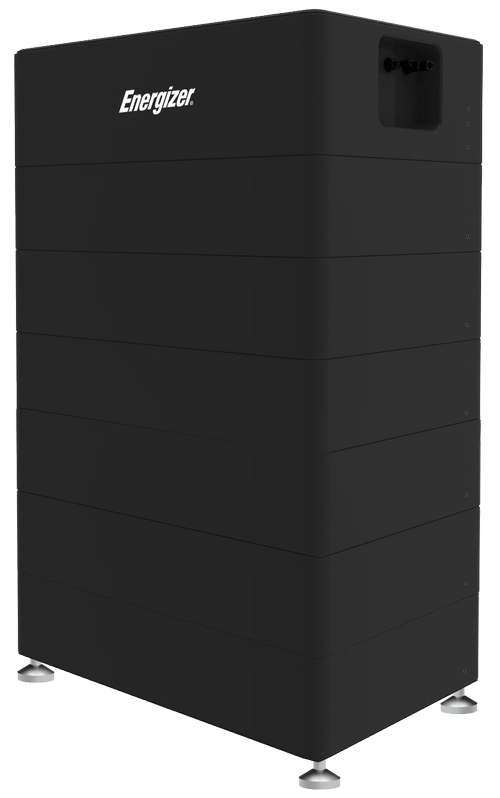
- Energizer Powerstack builds your battery capacity with modules in a single column
- Unlock up to $7,000 in federal solar + battery rebates*
- Compare quotes from vetted installers, with Energizer experience where available
Energizer
What could an Energizer battery save your home?
*For eligible combined solar and battery installations before January 2027. Battery-only rebates vary with usable capacity. Your installer confirms eligibility and amount.
✓ Up to 3 vetted installers
✓ Free to compare, no obligation
✓ Your chosen battery, your quote request
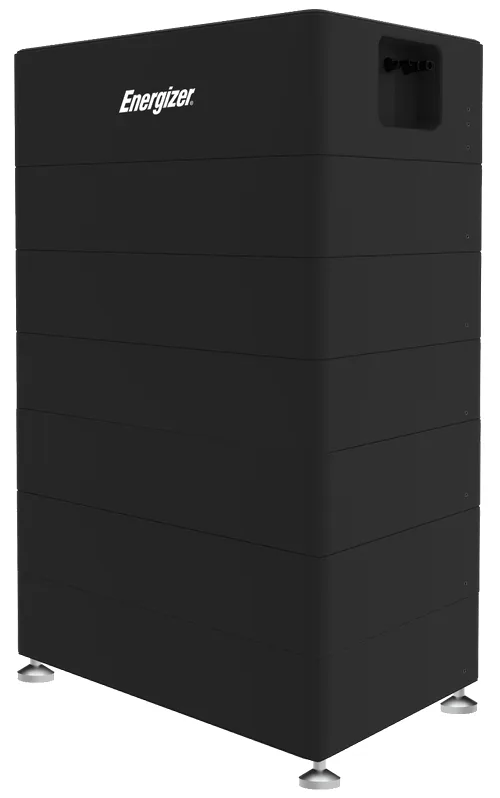
Meet Energizer A stackable home battery under the Energizer name, backed in Australia by a Victorian company.
- Backed by a Victorian company
In Australia the Energizer name is licensed to 8 Star Energy, a Victorian company that provides the Powerstack warranty.
- Add modules whenever you like
Energizer Solar says battery modules can be added to a Powerstack at any time, so storage can grow with the household.
New modules work to the same depth of discharge as the older ones in the stack.
- Works with the solar you have
Powerstack can store spare power from an existing third-party solar inverter through AC coupling, Energizer Solar says.
It needs an extra meter to read your existing solar, and the battery itself pairs only with Energizer's own hybrid inverter.
- 10 years of cover, kept online
8 Star Energy's Powerstack warranty runs 120 months from installation while the system stays registered and connected for remote monitoring.
A system left unregistered or offline can have its warranty cut to 5 years, so keep it online.
The company behind it
Energizer Solar uses the Energizer name under licence; in Australia that licence sits with 8 Star Energy, in Victoria.
Licensed brand
Energizer is a trademark of Energizer Brands, LLC, used under licence by 8 Star Energy Pty Ltd.
Licensing model
Energizer Solar says it partners with solar manufacturers that sell products under the Energizer name.
Australian warrantor
8 Star Energy, an Australian company in Victoria, provides the Powerstack warranty.
Want an Energizer battery in Tasmania?
Get my Energizer quotesCompare up to 3 vetted installers. Free, no obligation.
Why Energizer is different
Energizer is the only brand on this site whose name is more famous than its solar business, and understanding what that name actually signifies is the whole exercise. Energizer licenses its trademark to companies in adjacent categories for a fee. In Australia the solar range is supplied and warranted by 8 Star Energy, a Melbourne company that holds the licence, and the warranty document names that company, its Australian company number and its Collins Street address. The battery is manufactured in China.
This is not a criticism of the product, and licensing is ordinary commercial practice. It is a correction to an assumption. A buyer who chooses this battery because a global consumer brand feels safer than an unfamiliar Chinese one has actually chosen a Melbourne distributor’s supply and warranty operation, and should judge it on that basis: its size, its service record, and how long it has been doing this. Those are answerable questions, and they are the right ones.
The hardware itself is conventional in a good way. Powerstack is a main unit with identical sub-units bolted beneath it into a wall-fixed column, built on lithium iron phosphate cells, with an enclosure rated for outdoor mounting and cooled by convection rather than fans. Capacity is a count of the same module, which makes comparing quotes unusually easy: two proposals at the same height are the same battery.
Two terms in the warranty set this brand apart from most of the market, and both cut against the buyer. The capacity floor promised at the end of the term is lower than the level most competitors commit to. And the full term is conditional on the system staying registered on the manufacturer’s fleet-management platform with a working internet connection, with the stated right to reduce the term to roughly half where that lapses. Neither is hidden — both are in the published document — but neither is something an installer is likely to raise unprompted.
The Energizer system, piece by piece
The main unit is where every system starts, and the sub-units are the same module repeated beneath it. The installation manual has the column fixed to the wall with brackets on both sides, which means the wall itself is part of the design: its construction, its exposure and how much clear height it offers all decide how far the system can grow later.
The inverter is not optional and not open. The user manual states plainly that the Powerstack system works only with the Energizer Solar hybrid inverter range. So specifying this battery specifies the inverter too, and on a retrofit it means the existing inverter is replaced. A quote that shows the battery cost clearly and folds the inverter into a rounded total is hiding the more consequential half of the decision.
The warranty covers the battery and nothing else. The document says so directly: ancillary parts including inverters and charge controllers are excluded and may be covered separately. In practice that means two warranty documents with two sets of terms and potentially two counterparties, and a fault on the inverter side is not a battery claim. Ask for both documents at quote stage, not after something fails.
The connection to the internet is a component in everything but name. The manufacturer requires the ability to monitor the system and push firmware remotely through its fleet platform, makes registration and a reliable connection a condition of the full warranty term, and reserves the right to shorten that term where the system sits disconnected. A household with patchy connectivity should treat this as a real constraint on the product rather than a footnote.
The enclosure material deserves a specific mention because owners have made it an issue. Reviews collected by SolarQuotes include reports of surface rust on steel components in exposed positions, described by owners as not being marine-grade. Where the column is mounted, and how much salt and weather that position sees, is therefore a durability decision rather than a question of where it looks tidiest.
Put Energizer to the test on your own numbers
Reading about it only goes so far — real quotes are where a Energizer decision gets made. Get 2-3 quotes from vetted installers in Tasmania. Free for homeowners.
What Energizer does best
Making capacity comparison simple. Because the range is one module repeated, a homeowner comparing three quotes is comparing counts, not marketing. There is no denser variant to argue about and no second module family to muddy the arithmetic, which is a genuine advantage when you are trying to work out whether one installer is quoting more system or just more money.
Day-to-day monitoring. The app is the part owners like, and they say so even in reviews that are critical of other aspects: real-time tracking that is easy to read and quick to check. For a household that will actually watch its consumption and adjust behaviour, that is the feature touched daily, and it is a fair strength to credit.
Being supplied from inside Australia. The licensee is an Australian company with an Australian address and company number, and the warranty is written under Australian law naming that entity. Compared with a claim that has to travel offshore through a distributor who may or may not still hold the agency, a local counterparty is worth something concrete when things go wrong.
Fitting a tight budget without abandoning the rebate. The range sits at the value end of the market and the listed models are on the approved-product register, so the federal discount applies to hardware chosen mainly on price. For a household that wants storage now and cannot stretch to a high-end ecosystem, that combination is the real appeal of this brand.
Who an Energizer system suits — and who it does not
It suits budget-led households installing solar and storage together, where committing to the matching hybrid inverter is a decision they were making anyway and the simplicity of one repeated module is genuinely useful.
It suits homes with permanently reliable internet, because the warranty terms effectively require it. If your connection is stable and your installer registers the system properly, this condition costs you nothing at all.
It suits sheltered inland positions. Away from salt exposure, the corrosion complaints owners have raised are much less likely to become your problem, and the enclosure’s outdoor rating does what it says.
It does not suit a buyer who chose it for the name. If the reason this brand made your shortlist is that it feels safer than an unfamiliar one, the licensing arrangement means that reassurance is not what you thought it was, and the sensible response is to re-evaluate rather than to proceed on a misunderstanding.
It does not suit exposed coastal sites, homes with unreliable connectivity, or anyone who wants to keep an existing inverter. And it does not suit a buyer who weights the end-of-term capacity floor heavily, because on that specific measure this brand promises less than most of its competitors. Read the record’s warranty line beside two rival brands before deciding — it is a short comparison and it is the one that matters most over a decade.
Energizer in Tasmania
Tasmania adds no state layer in 2026, and the Tasmanian question is winter supply: how much of a short, dim July day the roof can genuinely bank. Sizing from identical modules makes that arithmetic straightforward — start with the module count winter generation can actually refill and treat further modules as a later addition the column can accept, provided the wall was chosen with that in mind.
Feed-in tariffs in Tasmania typically pay 8.0–9.0c/kWh while grid power costs 30–35c — so a stored kilowatt-hour is worth what you avoid buying, not what exporting earns, and the wider that gap sits on your own plan, the harder a battery works for you. With a flat regulated feed-in tariff there are no evening price windows to schedule around, so a Tasmanian system is judged on how much of a short winter day it can store, and nothing else.
Put Energizer to the test on your own numbers
Reading about it only goes so far — real quotes are where a Energizer decision gets made. Get 2-3 quotes from vetted installers in Tasmania. Free for homeowners.
The installer decides the Energizer outcome
The warranty puts the installer’s credentials inside the contract: cover is excluded where the installation was performed by someone without the required accreditation. That makes checking qualifications a warranty condition rather than a courtesy, and it is a reasonable thing to ask to see in writing before signing anything.
The registration step is the one most likely to be skipped by someone in a hurry, and it is the one with the sharpest consequence. If the system is not registered on the fleet platform and left with a working connection, the full warranty term is at risk from the day of handover. An installer who says the owner can sort that out later has not read the terms they are selling under.
Commissioning the matching hybrid inverter is a specific skill, not a general one. Grid connection covers the inverter and the battery as a single submission, and export limits, backup behaviour and charging schedules are all set at that point. A system can pass its final test while quietly ignoring the household’s retail plan, which is the most common way a competent installation still disappoints.
Siting is the fourth decision and the one owners have complained about most. The column is fixed to a wall, it is steel, and reports of rust in exposed positions are on the public record. Ask where it is going, why that wall, and what the position looks like after five summers of salt air if you are anywhere near the coast.
This is where Solar Select earns its place. We put your enquiry in front of up to 3 approved installers, subject to current coverage, eligibility and brand suitability — and comparing them is free for homeowners. On a brand where the warranty names the installer’s credentials, depends on a registration step, and covers the battery but not the inverter beside it, the person doing the work is the difference between a cheap system that lasts and a cheap system that becomes an argument.
Is Energizer right for your home? Fit and warranty checks
A good fit if…
- Budget-led households building solar and battery together who want a simple stacked system
- Homes with a permanently reliable internet connection, which the warranty terms effectively require
- Sheltered inland sites away from the salt exposure owners have linked to corrosion complaints
- Buyers who will read who actually provides the warranty and are comfortable with an Australian licensee behind it
Consider the limitations
- You assumed the global brand on the box carries the warranty — in Australia the licensee does
- You want to keep an existing inverter, since the battery runs only on Energizer Solar hybrids
- Your site is coastal or exposed and you do not want to manage a corrosion risk owners have reported
- Your internet connection drops out often enough that a connectivity condition on the warranty is a real risk
- You want a deep, consistently positive body of owner reviews behind a long commitment
Energizer specifications and source documents
- Energizer pairs with its own hybrid inverter: new solar-and-battery installs use one unit; a retrofit means replacing the existing inverter. Source
- Listed models are on the Clean Energy Council approved battery list. Source
- Any accredited installer can fit Energizer under the manufacturer's warranty terms. Source
- The Powerstack models in this record are on the Clean Energy Council approved battery list under the Australian licensee, which is the hardware condition of the federal Cheaper Home Batteries Program; the earlier Energizer Homepower line no longer appears on that register, so a quote naming it does not clear the gate. Source
Why the installer matters more than the battery
More than 60% of inspected home battery installs were substandard. The Clean Energy Regulator inspected 1,278 home battery installations under the Cheaper Home Batteries Program between July 2025 and April 2026. More than 60% came back substandard and 1.2% unsafe — and the hardware was rarely the problem. The install was.
That is the part a brand cannot fix for you. Solar Select checks installer approval and current campaign eligibility for your Tasmania enquiry. Confirm business history and current independent reviews before choosing an installer. Your enquiry goes to up to 3 of them, and no one else sees your details.
Battery rebates in Tasmania
Cheaper Home Batteries Program (federal) — roughly a quarter off the installed battery cost, applied upfront at the quote by the installer rather than claimed back later.
Federal-only in Tasmania for 2026 — Tasmania runs federal-only on battery rebates in 2026. The federal Cheaper Home Batteries discount still applies in full.
Ready for Energizer quotes in Tasmania?
Postcode in — up to 3 vetted installers out. Federal battery rebate applied at quote. Free, no obligation, maximum 3 installers ever.
Energizer installers in Hobart
- Energizer battery installers in Hobart — serving Greater Hobart
Regional Tasmania
- Energizer battery installers in Launceston — serving Launceston and surrounds
This page also covers the Tasmania towns that no longer have a page of their own. Across the North West Coast and greater Hobart, enquiries from Burnie, Devonport, Latrobe, Queenstown, Smithton, Ulverstone, Wynyard, Kingston, New Norfolk and Sorell route through this page on postcode. In the North East and the Huon, the same applies to Deloraine, George Town, Scottsdale, St Helens and Huonville.
Page updated 6 October 2026