New South Wales
SolaX battery installers in New South Wales.
Get matched with top solar companies in New South Wales
- Selected SolaX batteries include built-in heating for charging in colder weather
- Unlock up to $7,000 in federal solar + battery rebates*
- Compare quotes from vetted installers, with SolaX experience where available
SolaX
What could a SolaX battery save your home?
*For eligible combined solar and battery installations before January 2027. Battery-only rebates vary with usable capacity. Your installer confirms eligibility and amount.
✓ Up to 3 vetted installers
✓ Free to compare, no obligation
✓ Your chosen battery, your quote request
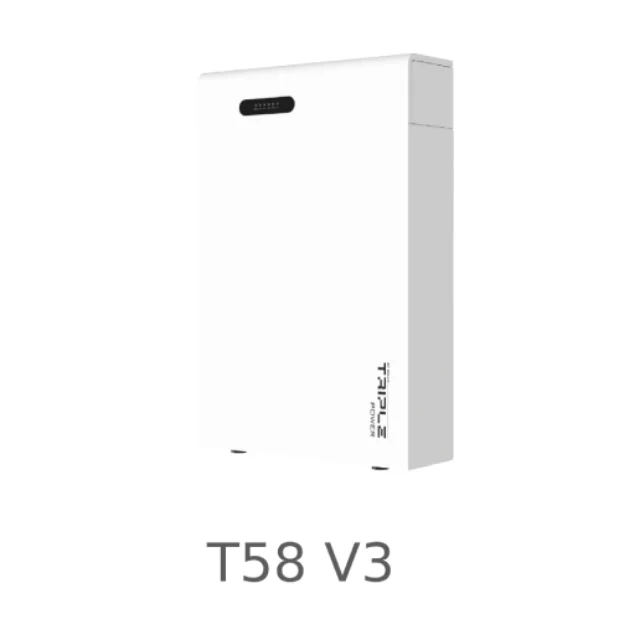
Meet SolaX A modular battery that grows 5.1 kWh at a time, up to 66.5 kWh.
- Grow in 5.1 kWh steps
Each module holds 5.1 kWh, and the stackable plug-and-play modules take a system from 10.2 kWh to 66.5 kWh.
Up to three battery towers can link through the TCBox-70, so check it's in your quote if you need more than one.
- Mix new modules with old
SolaX says the optimiser version lets new and older modules work together, so later additions are simpler.
Only the optimiser version does this, so check the model on your quote.
- Fire suppression built in
SolaX pairs LFP cells with aerosol fire suppression, which it says gives precise protection.
- Ten years, 70% at the end
SolaX's Australian warranty runs 10 years, with 70% capacity promised at year ten, within its throughput limits.
Ask your installer to confirm they're SolaX-certified; the warranty requires it.
The company behind it
SolaX Power is an inverter and home battery maker, founded in 2012, with an Australian subsidiary since 2014.
Founded 2012
SolaX says it was established in 2012 and released its first hybrid inverter in 2013.
Two million systems
SolaX says it has deployed 2 million home energy storage systems across 130+ countries.
In Australia since 2014
SolaX says it set up an Australian subsidiary in 2014 and an ANZ team in 2025.
Want a SolaX battery in New South Wales?
Get my SolaX quotesCompare up to 3 vetted installers. Free, no obligation.
Why SolaX is different
SolaX takes one idea further than nearly anyone else in the residential market: stack depth. Most modular batteries stop growing at four or five modules; the Triple Power T-BAT high-voltage stacks build from two modules to thirteen, a span running from about 7 kilowatt-hours to nearly 48 in a single stack. The company behind it is a global top-tier inverter manufacturer by volume with an established Australian distribution presence — an engineering-volume business rather than a boutique.
That heritage shapes the product’s character. Triple Power batteries pair with SolaX’s own single-phase and three-phase hybrid inverters — the battery does not visit other brands’ walls — and each combination is validated model-to-model within the family. Alongside the high-voltage stacks sits the LD low-voltage series, packs from around 5 kilowatt-hours for smaller and retrofit-leaning jobs, so the range covers both voltage architectures under one badge.
There is also a quietly practical piece of engineering in the batteries themselves: built-in low-temperature heating. Unheated lithium packs sag on cold mornings; SolaX’s do not, which is one of the few spec-sheet lines genuinely worth weighting if you live somewhere alpine or highland.
The counterweight is that SolaX is a value-tier choice in the same sense as its inverter-maker peers — the engineering is in the range, not the badge, and the outcome tracks the installer specifying it. It holds a customer-rated top-ten spot in Australia without the installer mindshare Sungrow or GoodWe have built locally, which means fewer crews fit it weekly — and a range this broad rewards familiarity and punishes guesswork.
The Triple Power stack, piece by piece
The SolaX hybrid inverter is where the design starts, because Triple Power batteries pair only with SolaX’s own hybrids and every combination is validated model-to-model. The inverter fixes single-phase or three-phase, sets the ceiling on solar and storage, and determines whether the stack you want is even a supported build — so the quote should name both exact model numbers, and the installer should be able to show the pairing documentation for that specific pair.
The T-BAT high-voltage stack is the mainstream path, and its module count is the decision it puts in front of you. Two modules to thirteen means the same product serves a modest townhouse and a property with serious storage ambitions — but only if the original design leaves validated headroom. Ask for two numbers: how many modules on day one, and how many this exact configuration can grow to.
The LD low-voltage series is the other architecture — packs from around 5 kilowatt-hours with larger parallel options, suited to smaller systems and some retrofit-leaning designs. High-voltage and low-voltage are not interchangeable, they pair with different inverters, and choosing between them is a design-time call that is expensive to unwind — which is exactly why the quote should state which architecture it is and why.
The last piece is not hardware but scope: backup has to be designed to circuit level, because a deep stack’s size says nothing about which circuits stay live when the street goes dark. Deep stacks also concentrate real energy, so protection settings and commissioning need doing properly rather than approximately — a line worth probing while quotes are still competing for the job.
Put SolaX to the test on your own numbers
Reading about it only goes so far — real quotes are where a SolaX decision gets made. Get 2-3 quotes from vetted installers in New South Wales. Free for homeowners.
What SolaX does best
Growing further than the market’s defaults. Thirteen modules and nearly 48 kilowatt-hours in a stack means a household that outgrows its storage adds modules instead of systems — no second inverter, no second install, provided the first design left headroom. For homes planning big storage, or planning to grow into it, that ceiling is the product’s central argument.
Cold mornings. The built-in battery heating protects output through low-temperature winters, a difference alpine and highland owners actually notice in July while unheated competitors deliver less than their brochures suggest. Most of the country will never invoke it; the parts that would should weight it heavily.
Covering every phase setup at a value position. A volume inverter maker brings a full single-phase and three-phase hybrid lineup to the pairing, so larger and rural properties are not squeezed out the way single-phase-only ranges squeeze them — and the pricing stays at the value tier throughout.
Rewarding the right installer. Every value-tier system’s outcome tracks the person specifying it, and SolaX amplifies that: a shop that fits the range weekly navigates the model-to-model pairing rules, the module ceilings and the commissioning discipline as routine. The brand’s best results belong to the customers of exactly those installers, which makes finding one a shortlist criterion in itself.
Who a SolaX stack suits — and who it does not
It suits the household whose storage appetite is large now or likely to become large. If a coming EV, an electrified home or a rural property’s loads make twenty-plus kilowatt-hours plausible within five years, the thirteen-module ceiling means the system you buy today never has to be replaced to get there — an argument few competitors can make.
It suits value-focused buyers at peace with what they are buying: an inverter-maker’s range where the money went into engineering breadth rather than brand story. If you compare quotes on what the hardware does rather than whose name is on it, SolaX argues well.
It suits cold-climate homes on the strength of the heating alone, and three-phase properties that value-tier shortlists often leave thin.
Look elsewhere if you want the big-name brand story and the longest local field history, or if you are retrofitting around a non-SolaX inverter you intend to keep — Triple Power does not pair outside the family. Be cautious too if a virtual-power-plant program matters to your maths: acceptance should be verified for the exact model rather than assumed at brand level. And if the only installer quoting has never fitted SolaX before, that is a real reason to hesitate, whatever the price.
The money conversation should be run in value per usable kilowatt-hour after the federal rebate, where a value-tier deep stack is designed to look strong. Two cautions keep it fair: the rebate works model-by-model, so the wrong variant on the paperwork forfeits it entirely, and a stack quoted at its ceiling has no room left to grow — cheap capacity today is worth less if it closes the door the range exists to keep open.
SolaX in New South Wales
New South Wales stacks a VPP top-up of roughly $550–$1,500 on the federal rebate through the Peak Demand Reduction Scheme, payable only when the battery joins an approved Virtual Power Plant. SolaX’s acceptance in any given program should be verified for the exact quoted model rather than assumed from the brand — a five-minute check at quote stage that decides a four-figure line on the invoice. Skip the VPP and the top-up disappears; the federal discount stands regardless.
Feed-in tariffs in New South Wales typically pay 5–12c/kWh while grid power costs 30–35c — so a stored kilowatt-hour is worth what you avoid buying, not what exporting earns, and the wider that gap sits on your own plan, the harder a battery works for you. In a state with no regulated floor under feed-in rates, a deep stack’s job is blunt: soak up the day, run the house at night, and export only what is left — sized to your evening load rather than to the ceiling the range can reach.
Put SolaX to the test on your own numbers
Reading about it only goes so far — real quotes are where a SolaX decision gets made. Get 2-3 quotes from vetted installers in New South Wales. Free for homeowners.
The installer decides the SolaX outcome
A broad range is a gift to a fluent installer and a trap for a first-timer. The inverter-battery pairing is model-specific across many combinations, and an invalid pair is a design error no brochure will catch; Clean Energy Council listing is likewise model-by-model, so a variant slip on the paperwork costs the entire federal rebate. Both are quote-stage checks, and both are reasonable things to ask an installer to demonstrate rather than assert.
Commissioning is where deep stacks earn respect. Thirteen modules concentrate serious energy, and protection settings, firmware and backup wiring need doing properly rather than approximately. A stack that powers on is not a stack that was commissioned — the difference shows up at the first fault, or the first blackout, whichever arrives first.
A good handover leaves you with the pairing validation for your exact model numbers, the growth ceiling of your configuration in writing, backup demonstrated circuit by circuit, and monitoring set up for your tariff. Ask a prospective installer how many SolaX systems they have commissioned and who supports yours in year four; the answers separate the shops that fit the range weekly from the ones about to learn on your wall.
Finding that fluency is the job Solar Select does. One enquiry brings quotes from up to 3 approved installers, subject to current coverage, eligibility and brand suitability — a distinction that matters more with this range than with most. Comparing them costs nothing because the service is free for homeowners, and a small field of quoting installers means each one treats the design as winnable rather than templated.
Is SolaX right for your home? Fit and warranty checks
A good fit if…
- Households planning big storage — or planning to grow into it — where the thirteen-module ceiling means never replacing the system
- Value-focused buyers comfortable with an inverter-maker brand rather than a big-name badge
- Cold-climate homes where the built-in battery heating earns its keep
- Customers of installers who fit SolaX regularly and will support it themselves
Consider the limitations
- You want the big-name brand story and the longest local field history
- You are retrofitting onto a non-SolaX inverter you want to keep
- You want the broadest virtual-power-plant acceptance — verify per model rather than assume
- Your installer has not fitted SolaX before — the range rewards familiarity and punishes guesswork
Why the installer matters more than the battery
More than 60% of inspected home battery installs were substandard. The Clean Energy Regulator inspected 1,278 home battery installations under the Cheaper Home Batteries Program between July 2025 and April 2026. More than 60% came back substandard and 1.2% unsafe — and the hardware was rarely the problem. The install was.
That is the part a brand cannot fix for you. Solar Select checks installer approval and current campaign eligibility for your New South Wales enquiry. Confirm business history and current independent reviews before choosing an installer. Your enquiry goes to up to 3 of them, and no one else sees your details.
Battery rebates in New South Wales
Cheaper Home Batteries Program (federal) — roughly a quarter off the installed battery cost, applied upfront at the quote by the installer rather than claimed back later.
NSW VPP Incentive (Peak Demand Reduction Scheme) — NSW adds a VPP top-up of roughly $550–$1,500 for connecting the battery to an approved Virtual Power Plant. It stacks with the federal rebate, but it is VPP-conditional — if you don’t want a third-party operator dispatching your battery during peak events, you lose it.
Ready for SolaX quotes in New South Wales?
Postcode in — up to 3 vetted installers out. Federal battery rebate applied at quote. Free, no obligation, maximum 3 installers ever.
SolaX installers in Sydney
- SolaX battery installers in Sydney — serving Greater Sydney
Regional New South Wales
- SolaX battery installation Newcastle — serving Newcastle and the Hunter
- SolaX battery installers in Central Coast — serving the NSW Central Coast
- SolaX battery installation Wollongong — serving Wollongong and the Illawarra
- SolaX battery installers in Albury — serving Albury–Wodonga
- SolaX installers Coffs Harbour — serving Coffs Harbour and surrounds
- SolaX battery installers in Wagga Wagga — serving Wagga Wagga and surrounds
- SolaX battery installation Port Macquarie — serving Port Macquarie and surrounds
- SolaX battery installers in Ballina — serving Ballina and surrounds
- SolaX battery installation Tamworth — serving Tamworth and surrounds
- SolaX battery installers in Orange — serving Orange and surrounds
- SolaX battery installers in Bowral — serving Bowral and the Southern Highlands
- SolaX battery installers in Dubbo — serving Dubbo and surrounds
This page also covers the New South Wales towns that no longer have a page of their own. Across the Capital Region and South Coast, the Central West, the Far West and Orana and the Illawarra, enquiries from Batemans Bay, Bega, Cooma, Eden, Goulburn, Jindabyne, Merimbula, Moruya, Narooma, Queanbeyan, Yass, Young, Bathurst, Cowra, Forbes, Lithgow, Mudgee, Parkes, West Wyalong, Broken Hill, Narromine, Wellington and Kiama route through this page on postcode. In the Hunter Valley, the Mid North Coast, the Murray and Lake Macquarie, the same applies to Cessnock, Dungog, Maitland, Medowie, Muswellbrook, Nelson Bay, Raymond Terrace, Scone, Singleton, Camden Haven, Forster, Gloucester, Kempsey, Nambucca Heads, Taree, Wauchope, Corowa, Deniliquin, Hay and Morisset. Further out, Alstonville, Byron Bay, Casino, Kyogle, Lismore, Murwillumbah, Tweed Heads, Cootamundra, Griffith, Junee, Leeton, Temora, Tumut, Nowra, Sanctuary Point and Ulladulla in the Northern Rivers, the Riverina and the Shoalhaven are matched the same way. Armidale, Glen Innes, Gunnedah, Inverell, Moree, Narrabri, Tenterfield, Bellingen, Grafton, Woolgoolga, Yamba and Katoomba in New England and the North West, the Coffs Coast and Clarence and the Blue Mountains sit in the same New South Wales pool.
Page updated 6 October 2026