Perth, WA
Bluetti battery installers across Greater Perth, WA.
Get matched with top solar companies in Perth
- Bluetti home systems combine a solar inverter with batteries sized for your household
- Unlock up to $7,000 in federal solar + battery rebates*
- Compare quotes from vetted installers, with Bluetti experience where available
Bluetti
What could a Bluetti battery save your home?
*For eligible combined solar and battery installations before January 2027. Battery-only rebates vary with usable capacity. Your installer confirms eligibility and amount.
✓ Up to 3 vetted installers
✓ Free to compare, no obligation
✓ Your chosen battery, your quote request
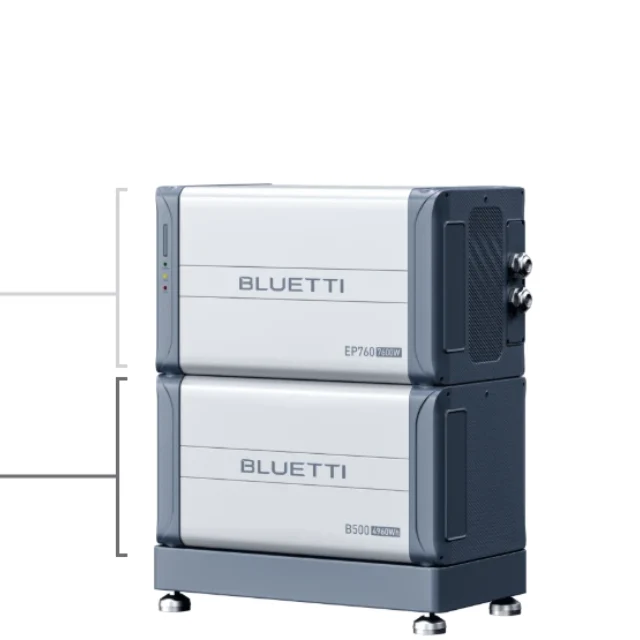
Meet Bluetti Modular home batteries for single-phase and three-phase homes, from BLUETTI.
- Add it to your current solar
EP760 connects to your existing solar through AC coupling, without affecting your current solar certification, BLUETTI says.
- Runs most household loads
EP760 delivers up to 7,600 W, which BLUETTI says covers over 95% of typical household energy needs.
- One pack to eight
Start with one B500 pack and add more, up to eight, for 4.96 kWh to 39.68 kWh of storage.
These are BLUETTI's nominal figures. Usable capacity is a little lower.
- 10-year warranty on EP760
BLUETTI backs the EP760 system with a 10-year warranty.
The EP2000 page doesn't state a warranty term. Ask for it in writing.
The company behind it
A battery maker founded in 2009, now selling modular home battery systems in Australia.
Founded 2009
BLUETTI says it was founded in 2009.
Users worldwide
BLUETTI says it has over 3.5 million users across more than 110 countries.
Local phone support
BLUETTI's Australian site lists a local customer support line, open Monday to Friday.
Want a Bluetti battery on your Perth home?
Get my Bluetti quotesCompare up to 3 vetted installers. Free, no obligation.
A Bluetti in Perth performs exactly as well as its configuration — and the configuration is decided by whoever installs it.
Why the installer matters more than the battery
The Clean Energy Regulator inspected 1,278 home battery installations under the Cheaper Home Batteries Program between July 2025 and April 2026 — more than 60% came back substandard and 1.2% unsafe. Solar Select checks installer approval and current eligibility before matching your Perth enquiry. Manufacturer accreditation is a separate check; confirm the credentials relevant to your chosen battery.
What specifically goes wrong on a Bluetti install
- The package includes the inverter, so the install is a solar-electrical redesign, not an appliance drop-in — switchboard work quality decides the outcome
- Confusing the installed EP systems with Bluetti’s portable units leads to mismatched expectations — this is fixed infrastructure, sized and wired accordingly
- Backup needs circuit-level design at quote time, as with any system — “backup capable” alone is not a scope
- Clean Energy Council listing is model-by-model — confirm the exact quoted system
Request my Bluetti quotes in Perth.
That's why Bluetti quotes in Perth are only comparable when the scope matches. Here's what to hold constant.
Comparing Bluetti quotes in Perth
We don't publish price bands, because installed prices move constantly and depend on your roof, switchboard and supply. What we can tell you is what to hold constant so three quotes are actually comparable — match these first, then compare after-rebate dollars per usable kWh.
- EP760 or EP2000 — the phase decision is the product decision, and it follows your switchboard, not preference
- Base capacity versus expanded, and how many expansion modules the quoted configuration leaves room for
- Whether backup is wired, and to which circuits
- What happens to your existing solar inverter, since the package includes its own hybrid inverter
- Confirmation the exact system is on the Clean Energy Council approved battery list
A cheaper quote that skips backup hardware, assumes an inverter you don't have, or quietly changes the configuration isn't cheaper — it's a different job.
Want three Bluetti quotes you can actually compare? Your enquiry goes to up to 3 vetted installers in Perth, all quoting the same scope.
Who installs Bluetti batteries in Perth?
Solar Select is a matching platform for homeowners looking for Bluetti battery installation in Perth. Submit your postcode and system requirements to request a match with up to 3 suitable installers, subject to current coverage, availability and brand suitability.
Enter your postcode and we check which vetted installers cover Perth for Bluetti.
How are Bluetti installers matched in Perth?
Matching considers approved installer accounts, active campaign geography, the requested system and current eligibility. Verified brand accreditations are prioritised when relevant. The actual match happens after you submit your postcode and enquiry; displayed companies are not a promise of who will receive it.
Compare recent independent reviews, business history, workmanship terms and the accreditation relevant to your chosen battery. Manufacturer accreditation and general installer approval are separate checks.
Battery rebates in Western Australia
- Cheaper Home Batteries Program (federal) — roughly a quarter off the installed battery cost, upfront, paid at its full rate on the first tier of usable capacity and at a reduced rate above that. Applied at quote by the installer, not claimed back later.
- WA Residential Battery Scheme (WA) — WA adds the Residential Battery Scheme — $130 per usable kWh for Synergy customers (max $1,300) or $380 per kWh for Horizon Power customers (max $3,800), capped at 10 kWh and conditional on VPP enrolment. It stacks with the federal rebate. Full WA rebate breakdown
Still weighing a Bluetti up? The Perth numbers and the deeper reading are below.
Bluetti battery installation in Perth, WA
Comparing Bluetti for a home in Greater Perth? Use your property's postcode and existing solar details when requesting quotes. This page focuses on Greater Perth, WA.
- 429,798 small-scale solar installations across 112 postcodes assigned to the Perth study area.
- 8.8 kW median of residential-plausible postcode average system sizes in 2025.
Clean Energy Regulator postcode data · as at 2026-06. Solar Select aggregation of CER data for postcodes containing mapped suburbs nearest to Perth within 45 km. This study area is not an official city boundary; postcodes can cross its edges. These figures do not measure installer availability.
The Perth numbers
Solar Select's Perth study-area aggregation of Clean Energy Regulator data includes 429,798 small-scale systems across 112 postcodes — about 2,424 MW of capacity as at 2026-06. For a Bluetti retrofit in Perth, check the existing inverter and switchboard before choosing the configuration. Ask whether the inverter stays, is replaced, or works alongside another one; installation counts do not answer that for your home.
In the typical Greater Perth postcode, new systems averaged about 8.8 kW through 2025. That is the scale of array a Bluetti battery would be charged from here, so ask each installer to size storage against that generation rather than the headline capacity: the configuration that suits a 8.8 kW roof is not automatically the biggest one quoted.
Greater Perth stretches down the coastal plain from Joondalup past Fremantle to Rockingham, all on Western Power's network in WA's own south-west grid, islanded from the east coast. Rules made for that grid — and the WA battery scheme's VPP condition — are why quotes here should not be compared against east-coast examples: have each installer spell out what their Bluetti price assumes about export and VPP enrolment.
Perth swings from about 7.4 peak sun hours in Jan to 2.4 in Jun — roughly 3.1× more generation in the sunniest month than the dullest. On a 10 kW array that is around 62.9 kWh a day in Jan against 20.4 kWh in Jun. Size a Bluetti on the winter figure: Bluetti is two packaged systems, ~20 kWh base, so the real question at quote stage is what it can actually refill on a 20.4 kWh day, not what it holds on paper.
Show month-by-month generation
| Month | Peak sun hours | 10 kW array, kWh/day |
|---|---|---|
| Jan | 7.4 | 62.9 kWh |
| Feb | 6.6 | 56.1 kWh |
| Mar | 5.3 | 45.1 kWh |
| Apr | 3.9 | 33.2 kWh |
| May | 2.9 | 24.7 kWh |
| Jun | 2.4 | 20.4 kWh |
| Jul | 2.6 | 22.1 kWh |
| Aug | 3.4 | 28.9 kWh |
| Sep | 4.4 | 37.4 kWh |
| Oct | 5.7 | 48.4 kWh |
| Nov | 6.8 | 57.8 kWh |
| Dec | 7.4 | 62.9 kWh |
Monthly shape from Bureau of Meteorology climatology for Western Australia, scaled to Perth's annual average of 4.9 peak sun hours; 85% system derate.
Install counts and capacity: Clean Energy Regulator postcode data for small-scale installations (CC BY).
What owning a Bluetti is actually like
Spec sheets stop being interesting about a week after install. These are the things owners notice in year one.
- The packaged design keeps day-two life simple — one system, one app, one point of responsibility, without an ecosystem of components to reconcile.
- App and monitoring carry Bluetti’s consumer heritage: closer to a consumer product than utility software, which most owners experience as a plus.
- Because the hybrid inverter is part of the package, the system suits new installs or full replacements more naturally than delicate retrofits around existing gear.
- Virtual-power-plant support is not the pitch — if VPP income matters to your maths, verify the specific program accepts the specific system before counting it.
Four questions to ask any Bluetti quote
- Is this the EP760 or EP2000, and what happens to my existing inverter?
- Can you show me this exact system on the Clean Energy Council approved battery list?
- How many wired-in Bluetti systems have you commissioned — not portable units — and who supports this one in year four?
- How far can this configuration expand later, and what does that cost in switchboard terms?
Is Bluetti right for your home? Fit and warranty checks
A good fit in Perth if…
- Buyers who want one packaged decision rather than a configuration exercise
- New solar-plus-storage installs where the included hybrid inverter is a feature, not a conflict
- Households that already trust the brand from its portable gear
- Three-phase homes wanting a straightforward packaged option in the EP2000
Consider the limitations
- You are adding storage to existing solar you want to keep — an AC-coupled system leaves your inverter alone; this package replaces its role
- You want fine-grained modular sizing rather than two package points
- Virtual-power-plant income is central to your plan
- You want the longest possible installed-storage track record — Bluetti’s portable reputation is long, its wired-in record is not
Grid connection in Perth
- Western Power pre-approval — battery systems usually need explicit pre-approval before install. A good installer lodges the application and flags any constraint in the quote — not after.
- Typical export cap ~5 kW — single-phase residential export in Perth is typically around 5 kW on the Western Power network. A battery softens the cap — solar that can't export charges the Bluetti instead of being curtailed.
- 5–15 business days — typical connection-approval turnaround once the installer lodges with Western Power.
Ready for Bluetti quotes in Perth?
Request quotes from up to 3 vetted installers for a Bluetti in Perth — postcode in, quotes out.
Areas served around Perth
Matching covers Greater Perth, not just the centre — enquiries route on your postcode. Local solar detail for each suburb:
- Perth (6001) · 0.2 km from Perth — 3 systems, 9 kW installed
- Northbridge (6003) · 1.2 km from Perth — 220 systems, 2,171 kW installed
- West Perth (6005) · 1.5 km from Perth — 257 systems, 4,553 kW installed
- East Perth (6004) · 1.7 km from Perth — 240 systems, 2,506 kW installed
- Highgate (6003) · 1.7 km from Perth
- Kings Park (6005) · 2.1 km from Perth
- Mount Lawley (6050) · 2.6 km from Perth — 2,312 systems, 14,506 kW installed
- North Perth (6006) · 2.9 km from Perth — 1,402 systems, 8,187 kW installed
- Leederville (6007) · 3.0 km from Perth — 1,017 systems, 7,178 kW installed
- South Perth Angelo St (6151) · 3.1 km from Perth — 2,175 systems, 13,495 kW installed
- Subiaco (6008) · 3.1 km from Perth — 2,061 systems, 13,466 kW installed
- Subiaco East (6008) · 3.1 km from Perth
- West Leederville (6007) · 3.1 km from Perth
- South Perth (6151) · 3.2 km from Perth
- Menora (6050) · 3.3 km from Perth
- Burswood (6100) · 3.6 km from Perth — 1,940 systems, 12,267 kW installed
- Kensington (6151) · 4.0 km from Perth
- Maylands (6051) · 4.2 km from Perth — 1,371 systems, 7,498 kW installed
- Coolbinia (6050) · 4.3 km from Perth
- Victoria Park (6100) · 4.3 km from Perth
- Mount Hawthorn (6016) · 4.4 km from Perth — 1,490 systems, 8,650 kW installed
- Wembley (6014) · 4.4 km from Perth — 3,405 systems, 21,788 kW installed
- Inglewood (6052) · 4.6 km from Perth — 1,912 systems, 10,897 kW installed
- Bedford (6052) · 4.7 km from Perth
- Jolimont (6014) · 4.7 km from Perth
- Daglish (6008) · 4.8 km from Perth
- Lathlain (6100) · 4.8 km from Perth
- Yokine South (6060) · 4.8 km from Perth — 3,017 systems, 16,685 kW installed
- Joondanna (6060) · 4.9 km from Perth
- Dog Swamp (6060) · 5.0 km from Perth
- Shenton Park (6008) · 5.3 km from Perth
- Como (6152) · 5.4 km from Perth — 4,249 systems, 23,784 kW installed
- Glendalough (6016) · 5.4 km from Perth
- Broadway Nedlands (6009) · 5.6 km from Perth — 2,623 systems, 18,576 kW installed
- Osborne Park (6017) · 5.6 km from Perth — 644 systems, 11,103 kW installed
- East Victoria Park (6101) · 5.7 km from Perth — 2,701 systems, 15,335 kW installed
- Rivervale (6103) · 5.7 km from Perth — 1,231 systems, 6,954 kW installed
- Crawley (6009) · 5.8 km from Perth
- Yokine (6060) · 5.8 km from Perth
- Karrakatta (6010) · 5.9 km from Perth — 3,007 systems, 18,197 kW installed
- Claremont North (6010) · 8.6 km from Perth
- Mirrabooka (6061) · 9.6 km from Perth — 5,085 systems, 24,556 kW installed
- Brentwood (6153) · 10.1 km from Perth — 4,068 systems, 25,547 kW installed
- Balga (6061) · 10.8 km from Perth
- Beechboro (6063) · 11.9 km from Perth — 3,781 systems, 19,521 kW installed
- Hamersley (6022) · 12.1 km from Perth — 1,322 systems, 6,204 kW installed
- Karrinyup (6018) · 12.2 km from Perth — 7,437 systems, 40,423 kW installed
- Koondoola (6064) · 12.4 km from Perth — 6,093 systems, 28,997 kW installed
Other locations for Bluetti
Bluetti installers across Western Australia, town by town
- Bluetti battery installation Bunbury — 154 km
- Bluetti battery installation Busselton — 195 km
Read before you commit
Bluetti questions, Perth answers
Is this the same Bluetti as the portable power stations in Perth?
Same brand, different product class — and the difference matters. The EP systems on this page are fixed, switchboard-wired home energy systems installed by an electrician, with rebate eligibility and grid rules attached. The portable units are appliances you carry. A brand you know from camping gear is a reasonable trust signal, but the installed record is the one that matters here, and it is younger.
Is a Bluetti home battery eligible for the federal rebate for a Perth home?
The wired-in EP systems can be, model-by-model on the Clean Energy Council approved list — portable units are a different category entirely and are not what the rebate covers. Have your installer show you the exact quoted system on the current list before you sign.
Can I add a Bluetti EP system to solar I already have in Perth, WA?
The package includes its own hybrid inverter, so it naturally takes over the inverter role rather than sitting beside your existing one. On older solar systems that can be a tidy generational upgrade; on a recent inverter it means paying to replace something that works. If keeping your current inverter is the goal, an AC-coupled system is the more natural shape — say so and make the installer justify the design either way.
What is the difference between the EP760 and EP2000 if I live in Perth?
Phases, chiefly — the EP760 is the single-phase package and the EP2000 the three-phase one, each with around 20 kWh of expandable storage and the inverter included. Which one you need is dictated by your switchboard, and it is worth confirming early because three-phase backup behaviour also needs specifying: which phases and circuits stay live is a design decision, not a default.
Does a Bluetti EP system keep the house running in a blackout for Perth households?
It can hold up the circuits wired to its backup side, automatically. The number of circuits, which ones, and how long they run is sizing and design — around 20 kWh runs the essentials of most homes through an evening comfortably, but nobody should promise “the whole house indefinitely” without doing the load maths. Ask for the backup scope in writing on the quote.
Who actually installs and supports Bluetti home systems across Greater Perth?
Accredited electricians and solar installers, as with any wired-in system — but the installer pool that knows the EP series well is smaller than for the long-established brands, because the installed range is young here. That makes the who-fits-it question worth more than usual: an installer who has commissioned several EP systems, and who will support the install personally, closes most of the gap that the short track record opens.
Is a packaged system better than a modular one in Perth?
It is a different bet. Packages like the EP series remove specification risk — fewer combinations means fewer ways a quote can be subtly wrong — at the cost of tailoring. Modular specialists fit awkward homes better; packages suit typical homes cleanly. The real question is whether your home is typical, and that is exactly what a good installer should establish before naming any brand.
Who installs Bluetti batteries in Perth?
Solar Select is a matching platform for homeowners seeking Bluetti battery installation in Greater Perth. Submit your postcode and requirements to request a match with up to 3 approved installers, subject to current coverage and eligibility. Manufacturer accreditation is verified separately; ask for the credentials relevant to your chosen battery. Free for homeowners.
How do I compare Bluetti quotes in Perth?
Installed prices move constantly and vary by site, so compare on after-rebate dollars per usable kWh rather than headline totals — and only once the scope matches. For this brand the variables that matter are: eP760 or EP2000 — the phase decision is the product decision, and it follows your switchboard, not preference; base capacity versus expanded, and how many expansion modules the quoted configuration leaves room for; whether backup is wired, and to which circuits. Get all three quotes on the same scope, then compare the installers harder than the numbers.
What battery rebates apply in Perth?
The federal Cheaper Home Batteries Program applies nationwide — roughly a quarter off installed cost, upfront, paid at its full rate on the first tier of usable capacity and tapering above that. Because Bluetti is two packaged systems, ~20 kWh base, how much you collect depends on how the configuration lines up with those tiers, so ask the installer to show the tier split rather than one flat "government incentive" line. WA then adds WA Residential Battery Scheme on top.
What does Western Power need to approve for a Bluetti in Perth?
The connection application covers the whole system, so what gets scrutinised depends on the configuration: the package includes the inverter, so the install is a solar-electrical redesign, not an appliance drop-in — switchboard work quality decides the outcome. Export in Perth is typically around 5 kW single-phase, and approval usually runs 5–15 business days once lodged.
Are your Perth installers Bluetti-accredited?
Accreditation is one of the things we look at, and where a Bluetti-accredited installer covers Greater Perth you'll see that in the match. It is deliberately not the only filter — a current accreditation badge says the installer has done the brand's training, not that they wire a good switchboard or come back in year three. Every installer serving Perth is vetted on the same bar set out above before they join. Ask the ones you're matched with what Bluetti work they've actually done, and how much of it, before you sign.
Is a Bluetti battery worth it in Perth?
Perth averages 4.9 peak sun hours, so a 10 kW rooftop array generates roughly 41.7 kWh on an average day — enough to cycle a Bluetti on most days of the year. With Western Australia feed-in tariffs typically paying 2–10c/kWh while grid power costs 30–35c, every stored kWh you use yourself is worth several times what exporting it earns.
How many solar installations are recorded across Greater Perth?
Solar Select's Perth study-area aggregation of Clean Energy Regulator data includes 429,798 small-scale systems across 112 postcodes — about 2,424 MW as at 2026-06. These are system counts, not a count of unique homes or Bluetti installers. For a retrofit, check your existing inverter, switchboard and actual generation before choosing storage; the study-area total cannot establish those details.
Answered what you needed?
Get your up to 3 vetted Bluetti quotes for Perth — free, no obligation.
Local data reviewed by the Solar Select team. Installer network information is shown separately above when verified records are available. Perth data sourced from BOM (sun hours), CER (rebates) and AER (Western Power network — export figures are indicative; your distributor sets the limit for your address). Bluetti product and pricing figures are sourced below. Last verified 2026-08-15. Page updated 6 October 2026.
- Bluetti — Australia
- SolarQuotes — battery brand reviews
- Clean Energy Council — approved batteries
- DCCEEW — Cheaper Home Batteries Program
All Western Australia locations · All Bluetti locations · How it works