Queensland
Sigenergy battery installers in Queensland.
Get matched with top solar companies in Queensland — Sigenergy-experienced prioritised
- SigenStor brings solar, battery storage and optional EV charging into one system
- Unlock up to $7,000 in federal solar + battery rebates*
- Compare quotes from vetted installers, with Sigenergy experience where available
Sigenergy
What could a Sigenergy battery save your home?
*For eligible combined solar and battery installations before January 2027. Battery-only rebates vary with usable capacity. Your installer confirms eligibility and amount.
✓ Up to 3 vetted installers
✓ Free to compare, no obligation
✓ Your chosen battery, your quote request
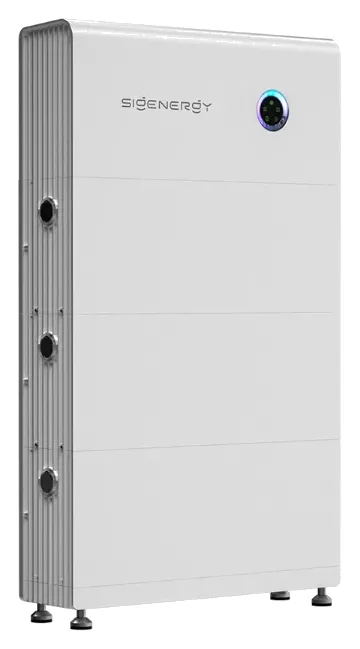
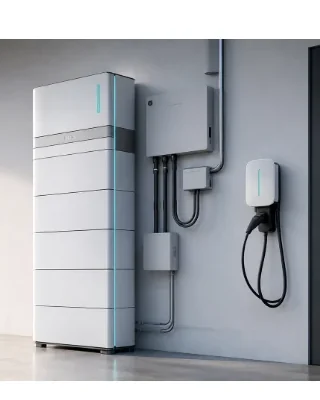
Meet Sigenergy SigenStor: five jobs, one tidy tower.
One tower that runs your solar, stores it, and grows with your home.
- Start small, add more later
Begin with one battery module and stack more later, up to six per controller. Sigenergy says a converter in each pack lets newer modules join older ones.
Current Australian modules hold 6 or 9 kWh usable each.
- Switches to backup in a blackout
With the Sigen Energy Gateway fitted, Sigenergy says backed-up loads move to battery power with 0 ms disruption.
Needs the Sigen Energy Gateway in your quote. The 0 ms figure is Sigenergy's test result with home loads below the controller's rating.
- EV charging in the same tower
Add the DC EV charging module, at 12.5 or 25 kW, and charge your car from the same system.
The EV charging module has a 3-year warranty, not 10.
- 10-year battery warranty, rebate-listed
SigenStor systems are on the federal approved battery list, and the battery and energy controller each carry a 10-year warranty.
Keep it online: if it's disconnected for more than a year, cover drops to 5 years.
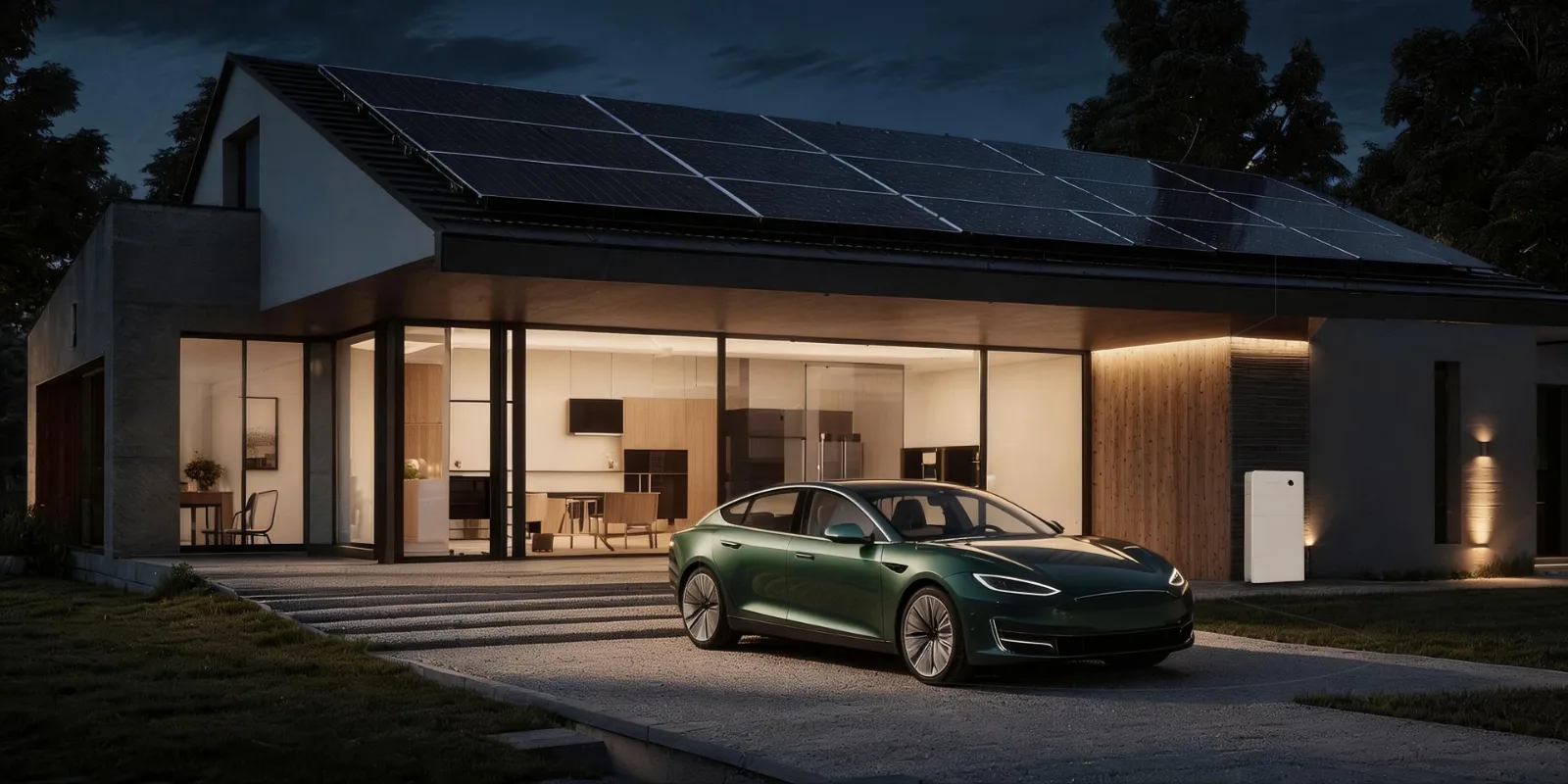
Your solar, your battery, your car. One system.
See where your power goes in the mySigen app.
The company behind it
A Shanghai battery and inverter maker founded in 2022, now listed on the Hong Kong exchange.
23 years
Founder Tony Xu spent 23 years at Huawei, where he ran its smart solar business.
Listed in Hong Kong
Shanghai-based Sigenergy began trading on the Hong Kong stock exchange in April 2026.
Australian importer
Sigenergy Australia Pty Ltd, of NSW, is the Australian importer named on the warranty.
Want a SigenStor in Queensland?
Picked by 26% of installers in SolarQuotes' 2026 installer survey. (SolarQuotes Installer's Choice Awards 2026)
Get my Sigenergy quotesCompare up to 3 vetted installers. Free, no obligation.
Why Sigenergy is different
Most home battery systems are assembled, not designed. A solar inverter from one company, a battery from a second, backup switching from a third, an EV charger from a fourth — four boxes on the wall, four warranties, four apps, and an installer holding the glue. The SigenStor collapses that into a single DC-coupled tower: hybrid inverter on top, battery modules stacked beneath it, with power conversion, energy management and an optional DC EV-charging module built into the same stack. One product doing five jobs is the entire pitch, and it is a real engineering difference rather than a marketing line.
For an existing solar home, start with the equipment you want to retain. Ask the installer to identify the present inverter and explain the proposed connection design, including any replacements. Having an inverter within the SigenStor stack does not, by itself, settle what happens to your existing equipment. Compatibility and backup behaviour need to be checked for the exact configuration.
The second difference is that capacity is a decision you can revisit. A SigenStor reaches its size by stacking battery modules under a controller, so the system you buy this year is not the ceiling of the system you own in five — more modules can join the stack later without replacing the inverter or starting again. Sizing stops being a one-shot bet: you can buy for the household you are today and expand when the EV arrives.
The flip side: a system this configurable has decisions where simpler batteries have defaults. Controller size, single- or three-phase, module count, backup scope, EV module in or out — all of it is settled at design stage, and the brand name on the tower tells you less than the build sheet underneath it. That is not a flaw, but it does move the weight of the purchase onto whoever designs yours.
The SigenStor stack, piece by piece
The controller is the decision that sets every other one. It fixes whether the system is single- or three-phase and how much solar and storage it can ever manage — so it should be chosen for the house you might have in five years, not just the invoice in front of you.
Battery modules are the capacity. They stack under the controller in fixed steps, which is why SigenStor quotes talk in module counts rather than one headline number, and why the right question is not "how many kilowatt-hours" but "how many modules, and why that many for my usage pattern?"
The backup gateway is the piece that decides what stays on when the street goes dark. It is separate hardware with real cost attached, and a quote that is vague about backup is usually vague because the gateway is not in it.
The DC EV-charging module is the optional fifth job: the car charges from the same stack, under the same energy management, instead of from a separate wall unit competing for switchboard space. Decide early whether it is on your roadmap — adding it later is tidy if the controller was sized expecting it, and awkward if it was not.
Put Sigenergy to the test on your own numbers
Reading about it only goes so far — real quotes are where a Sigenergy decision gets made. Get 2-3 quotes from vetted installers in Queensland. Free for homeowners.
What Sigenergy does best
Growing without waste. Because expansion means adding modules rather than replacing hardware, the SigenStor is the rare battery where under-buying now is a recoverable mistake. Households that expect their consumption to rise — a coming EV, a heat pump, a workshop — get the strongest version of this argument.
Bigger and busier homes. The range runs to three-phase controllers, which puts it on the shortlist for larger households and rural properties where single-phase products bow out. The same controllers are what make integrated DC EV charging possible: the optional charging module joins the stack instead of being a separate appliance competing for switchboard space.
Working your tariff. The energy management layer is a genuine part of the product — tariff schedules, backup reserve and per-device visibility all live in the app, and owners who spend an evening tuning it get measurably more from the same hardware. Virtual power plant participation is supported and widely used in Australia, including with dynamic-pricing retailers, which is what turns a battery from a savings floor into something with an earnings ceiling.
Being easy to buy and easy to service. Sigenergy climbed to the top of both Australian measures that matter — installer preference and market share — across 2025 and 2026. Popularity is not a reason to buy by itself, but it has practical consequences in your favour: competitive quoting, easy parts, and a wide field of installers to choose between.
Who a SigenStor suits — and who it does not
It suits planners. If you want solar, storage, backup and EV charging thought through as one system — even if you stage the purchases — the integrated stack is built for exactly that, and it rewards deciding the roadmap up front. Tell the installer what might be added later, and the controller and switchboard get sized for the future instead of just the invoice.
It suits households that will actually engage with it. The app is where tariff timing, backup reserve and monitoring live; a household that never opens it leaves real value on the table. If that sounds like a chore rather than a feature, a simpler product may serve you better.
If you want a simpler purchase with fewer configuration choices, compare the alternatives. If keeping your existing inverter matters, make that a requirement in the enquiry and ask for the proposed equipment and compatibility checks in writing. Do not reject or select a system on an assumption about whether the old inverter stays.
And weigh the age of the ecosystem fairly. The company was founded in 2022; its rise has been faster than Australian field history can accumulate, and some buyers reasonably prefer the brands with the longest local operating record. The modular design and the installer-vote standing are real counterweights — but they are counterweights, not a rebuttal.
On money, the fair framing is value per usable kilowatt-hour after the rebate, never the sticker figure. Modular systems can be quoted lean or loaded, and the federal program’s full-rate tier gives you a natural sizing anchor — a good installer will show you where your configuration sits against it rather than quoting one flat "government incentive" line.
Sigenergy in Queensland
Queensland adds no state battery program in 2026, so the federal Cheaper Home Batteries discount carries the numbers — and the state’s size makes the quote-to-quote spread on the same hardware unusually wide. Regional Queensland on Ergon’s regulated feed-in tariff keeps a stronger export case than the south-east corner, which changes how hard the battery has to work to pay its way; a good quote shows that arithmetic for your address, not the state average.
Feed-in tariffs in Queensland typically pay 4–13c/kWh while grid power costs 30–35c — so a stored kilowatt-hour is worth what you avoid buying, not what exporting earns, and the wider that gap sits on your own plan, the harder a battery works for you. One Queensland-specific note: heat is the enemy of any battery’s long life, and the SigenStor’s outdoor rating is not an argument for a western wall in the sun. Placement is a design decision here — shaded, ventilated, with service access.
Put Sigenergy to the test on your own numbers
Reading about it only goes so far — real quotes are where a Sigenergy decision gets made. Get 2-3 quotes from vetted installers in Queensland. Free for homeowners.
The installer decides the Sigenergy outcome
Everything that makes the SigenStor attractive routes through the person who designs and commissions it. Backup is the sharpest example: which circuits stay live in an outage is decided by hardware and design choices made at quote stage, and the gap between "backup included" on paper and what actually stays on during the first storm is the most common disappointment with any battery of this class. Insist on the backed-up circuits being listed by name.
Commissioning is the other half. CT clamp placement, firmware, and the tariff schedule decide whether the app’s picture of your home matches reality — a stack that was never properly commissioned still charges and discharges, it just quietly underperforms, and nobody notices until the first full bill. Asking a prospective installer how many SigenStor systems they have commissioned, and what their handover includes, tells you more than any brochure.
Handover is where good installs separate from adequate ones. A proper one ends with the app configured for your actual electricity tariff, the backup reserve set to a number you chose on purpose, and you knowing which switch does what. If a quote cannot describe what its handover includes, that is an answer too.
This is the part Solar Select exists for. We match your enquiry with up to 3 approved installers, subject to current coverage, eligibility and brand suitability. We do not sell hardware and the service is free for homeowners; the point of matching a small number is that each installer has a real chance at the job, and real reason to design rather than template.
Choosing a Sigenergy installer
Compare the proposed SigenStor design and the business supporting it. Ask for these details in writing:
- Your existing solar: the controller model, usable storage and whether your present inverter is retained or replaced. Send the installer its model number and your recent electricity usage.
- Your backup: the gateway model, the circuits included and any limits on running appliances together. Battery capacity alone does not describe the backup design.
- Your aftercare: current Sigenergy credentials, commissioning and app handover, workmanship terms and the contact for a manufacturer warranty claim. Manufacturer accreditation and Solar Select approval are separate checks.
Check the manufacturer installer directory, gateway information and Australian warranty documents. Sources checked 13 September 2026.
Is Sigenergy right for your home? Fit and warranty checks
A good fit if…
- Households who want solar, battery, backup and EV charging planned as one system rather than assembled piecemeal
- Homes likely to add battery capacity later — the modular stack expands without replacing the inverter
- Three-phase homes and larger households, where the bigger controllers are commonly specified
- Owners who will actually use an app — monitoring, tariff settings and backup reserve reward attention
- Buyers who want EV charging designed in now rather than retrofitted awkwardly later
Consider the limitations
- You want the simplest possible single-box battery with no configuration decisions to make
- The proposed configuration cannot retain existing equipment you intend to keep — ask for compatibility to be checked before deciding
- You want the longest possible Australian field history — the ecosystem is newer than Tesla’s or Fronius’s
- You would rather not buy from a company founded in 2022, however fast it has grown
Sigenergy specifications and source documents
- Sigenergy is DC-coupled: the battery and inverter are one system, so on a retrofit the existing solar inverter is replaced rather than kept. (SolarQuotes)
- Listed models are on the Clean Energy Council approved battery list. Source
- Sigenergy requires a manufacturer-certified installer for the warranty to hold. Source
Why the installer matters more than the battery
More than 60% of inspected home battery installs were substandard. The Clean Energy Regulator inspected 1,278 home battery installations under the Cheaper Home Batteries Program between July 2025 and April 2026. More than 60% came back substandard and 1.2% unsafe — and the hardware was rarely the problem. The install was.
That is the part a brand cannot fix for you. Solar Select checks installer approval and current campaign eligibility for your Queensland enquiry. Confirm business history and current independent reviews before choosing an installer. Your enquiry goes to up to 3 of them, and no one else sees your details.
Battery rebates in Queensland
Cheaper Home Batteries Program (federal) — roughly a quarter off the installed battery cost, applied upfront at the quote by the installer rather than claimed back later.
Federal-only in Queensland for 2026 — Queensland runs federal-only on battery rebates in 2026 — no active state battery program. The federal Cheaper Home Batteries discount still applies in full.
Ready for Sigenergy quotes in Queensland?
Postcode in — up to 3 vetted installers out. Federal battery rebate applied at quote. Free, no obligation, maximum 3 installers ever.
Sigenergy installers in Brisbane
- Sigenergy installers Brisbane — serving Greater Brisbane
Regional Queensland
- Sigenergy battery installers in Gold Coast — serving the Gold Coast
- Sigenergy battery installers in Sunshine Coast — serving the Sunshine Coast
- Sigenergy battery installation Townsville — serving Townsville and surrounds
- Sigenergy battery installers in Cairns — serving Cairns and the Far North
- Sigenergy battery installation Toowoomba — serving Toowoomba and surrounds
- Sigenergy installers Mackay — serving Mackay and surrounds
- Sigenergy installers Rockhampton — serving Rockhampton and surrounds
- Sigenergy installers Bundaberg — serving Bundaberg and surrounds
- Sigenergy battery installers in Hervey Bay — serving Hervey Bay and surrounds
- Sigenergy battery installers in Gladstone — serving Gladstone and surrounds
- Sigenergy battery installation Maryborough — serving Maryborough and surrounds
- Sigenergy battery installation Gympie — serving Gympie and surrounds
- Sigenergy installers Yeppoon — serving Yeppoon and the Capricorn Coast
This page also covers the Queensland towns that no longer have a page of their own. Across the Darling Downs and Maranoa, the Burdekin and North and the Wide Bay, enquiries from Chinchilla, Dalby, Goondiwindi, Roma, Stanthorpe, Warwick, Ayr, Charters Towers, Home Hill, Ingham and Kingaroy route through this page on postcode. In the Whitsundays and Isaac and greater Brisbane and the Lockyer, the same applies to Airlie Beach, Bowen, Moranbah, Proserpine, Sarina, Beaudesert, Caboolture, Gatton and Ipswich. Further out, Charleville, Cloncurry, Longreach, Mount Isa, Weipa, Biloela, Blackwater and Emerald in outback Queensland and Central Queensland are matched the same way. Atherton, Innisfail, Mareeba, Tully, Caloundra and Nambour in the Far North and the Sunshine Coast hinterland sit in the same Queensland pool.
Page updated 6 October 2026