Australia-wide

Sigenergy battery installers in Australia

Get matched with top solar companies in Australia — Sigenergy-experienced prioritised

  • SigenStor brings solar, battery storage and optional EV charging into one system
  • Unlock up to $7,000 in federal solar + battery rebates*
  • Compare quotes from vetted installers, with Sigenergy experience where available

Sigenergy

What could a Sigenergy battery save your home?

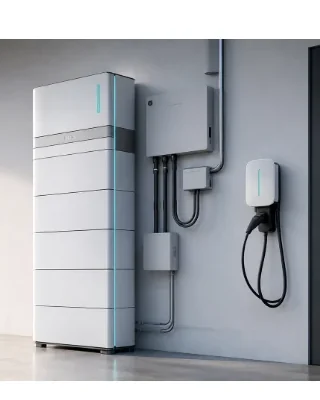
Sigenergy SigenStor stacked battery tower installed against a garage wall

Do you already have solar panels?

Free estimate first. No contact details needed.

*For eligible combined solar and battery installations before January 2027. Battery-only rebates vary with usable capacity. Your installer confirms eligibility and amount.

✓ Up to 3 vetted installers

✓ Free to compare, no obligation

✓ Your chosen battery, your quote request
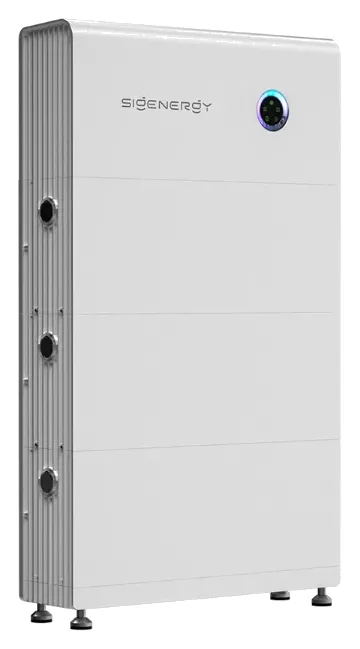
Sigenergy SigenStor tower: energy controller on top, three battery modules below
Image: Sigenergy

Meet Sigenergy SigenStor: five jobs, one tidy tower.

One tower that runs your solar, stores it, and grows with your home.

  • Start small, add more later

    Begin with one battery module and stack more later, up to six per controller. Sigenergy says a converter in each pack lets newer modules join older ones.

    Current Australian modules hold 6 or 9 kWh usable each.

  • Switches to backup in a blackout

    With the Sigen Energy Gateway fitted, Sigenergy says backed-up loads move to battery power with 0 ms disruption.

    Needs the Sigen Energy Gateway in your quote. The 0 ms figure is Sigenergy's test result with home loads below the controller's rating.

  • EV charging in the same tower

    Add the DC EV charging module, at 12.5 or 25 kW, and charge your car from the same system.

    The EV charging module has a 3-year warranty, not 10.

  • 10-year battery warranty, rebate-listed

    SigenStor systems are on the federal approved battery list, and the battery and energy controller each carry a 10-year warranty.

    Keep it online: if it's disconnected for more than a year, cover drops to 5 years.
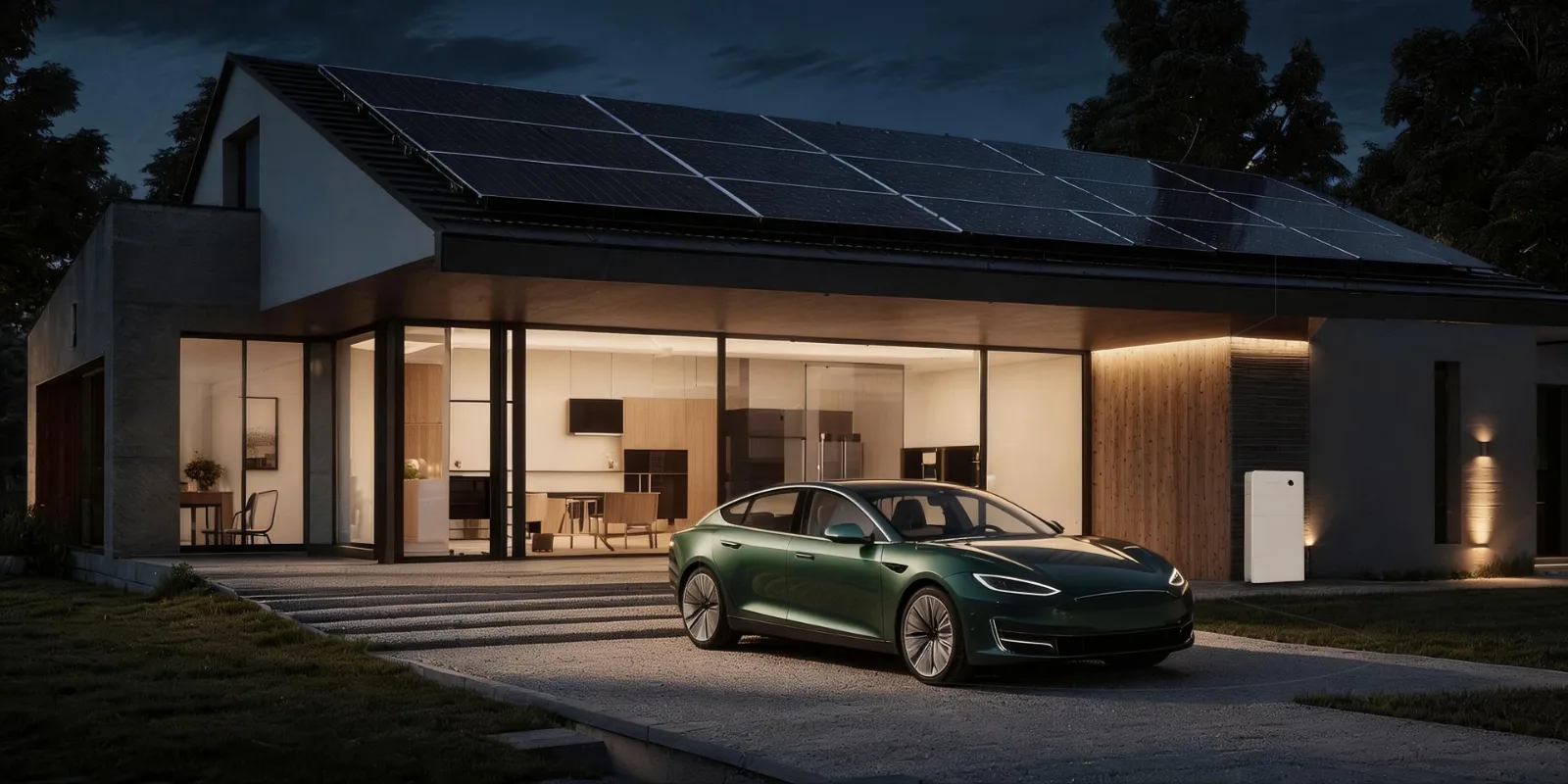
A Sigenergy SigenStor on the outside wall of a solar home at dusk, with an electric car on the driveway

Your solar, your battery, your car. One system.

See where your power goes in the mySigen app.

Image: Sigenergy

The company behind it

A Shanghai battery and inverter maker founded in 2022, now listed on the Hong Kong exchange.

  • 23 years

    Founder Tony Xu spent 23 years at Huawei, where he ran its smart solar business.

  • Listed in Hong Kong

    Shanghai-based Sigenergy began trading on the Hong Kong stock exchange in April 2026.

  • Sydney importer

    Sigenergy Australia Pty Ltd, North Sydney, is the Australian importer named on the warranty.

Want a SigenStor on your home?

Picked by 26% of installers in SolarQuotes' 2026 installer survey. (SolarQuotes Installer's Choice Awards 2026)

Get my Sigenergy quotes

Compare up to 3 vetted installers. Free, no obligation.

  • We pick them, nobody bids

    Request a match with up to 3 approved installers. Current availability, campaign geography and brand suitability are checked for your enquiry.

  • Check the installation credentials

    Ask each installer for their workmanship warranty, trading history and current brand credentials before you decide.

  • Rebates at quote

    The federal Cheaper Home Batteries discount — roughly a quarter off installed cost — plus your state layer, applied upfront at quote.

Find Sigenergy installers near you.

Each state page lists its capital and regional centres, the battery rebate stack for that state, and the installers we match you with there. Not listed? Matching runs on postcode, so enter yours anyway.

Choosing a Sigenergy installer

Compare the proposed SigenStor design and the business supporting it. Ask for these details in writing:

  • Your existing solar: the controller model, usable storage and whether your present inverter is retained or replaced. Send the installer its model number and your recent electricity usage.
  • Your backup: the gateway model, the circuits included and any limits on running appliances together. Battery capacity alone does not describe the backup design.
  • Your aftercare: current Sigenergy credentials, commissioning and app handover, workmanship terms and the contact for a manufacturer warranty claim. Manufacturer accreditation and Solar Select approval are separate checks.

Check the manufacturer installer directory, gateway information and Australian warranty documents. Sources checked 13 September 2026.

Is Sigenergy right for your home? Fit and warranty checks

A good fit if…

  • Households who want solar, battery, backup and EV charging planned as one system rather than assembled piecemeal
  • Homes likely to add battery capacity later — the modular stack expands without replacing the inverter
  • Three-phase homes and larger households, where the bigger controllers are commonly specified
  • Owners who will actually use an app — monitoring, tariff settings and backup reserve reward attention
  • Buyers who want EV charging designed in now rather than retrofitted awkwardly later

Consider the limitations

  • You want the simplest possible single-box battery with no configuration decisions to make
  • The proposed configuration cannot retain existing equipment you intend to keep — ask for compatibility to be checked before deciding
  • You want the longest possible Australian field history — the ecosystem is newer than Tesla’s or Fronius’s
  • You would rather not buy from a company founded in 2022, however fast it has grown

The Sigenergy range

SigenStor 5-in-1

Stackable modules, single- and three-phase controllers

Hybrid inverter, battery modules, power conversion and energy management in one DC-coupled tower.

SigenStor EV DC module

Optional DC charging module

Adds DC EV charging to the stack. Changes the quote substantially, so compare with or without it — never one of each.

Backup gateway

Partial or whole-home

Separate hardware that decides which circuits stay live in an outage — the part most often missing from a cheap quote.

Sigenergy specifications and source documents

The SigenStor combines a hybrid inverter, battery modules, power conversion, energy management and an optional DC EV-charging module in a single stackable tower. It suits households who want one integrated system rather than a separate inverter, battery and charger bolted together, and who expect to add capacity later. Because it is modular, the configuration you are quoted matters far more than the brand name on the box — two quotes for the same nominal capacity can be built differently and behave differently.

  • Current Sigenergy line-up in Australia: SigenStor EC 8, 10 and 12 kW single-phase energy controllers, SigenStor three-phase energy controllers, 5 to 25 kW, Sigen Battery module, 5 kWh class (5 kWh usable), Sigen Battery module, 8 kWh class (8 kWh usable). (SolarQuotes)
  • Sigenergy is DC-coupled: the battery and inverter are one system, so on a retrofit the existing solar inverter is replaced rather than kept. (SolarQuotes)
  • Usable capacity runs from 5 kWh to 48 kWh. Source
  • Capacity can be added later without replacing the inverter. Source
  • The manufacturer warranty is 10 years, with 70% of original capacity guaranteed at the end of it. (SolarQuotes)
  • It works with Sigenergy's own inverters only. (SolarQuotes)
  • Listed models are on the Clean Energy Council approved battery list. Source
  • Sigenergy requires a manufacturer-certified installer for the warranty to hold. Source

Sigenergy questions, answered

Is the Sigenergy SigenStor any good?
It sits at or near the top of both Australian rankings that matter — homeowner ratings and the installer vote — and it took the market-share lead quickly. The consistent caveat from installers is that it rewards a capable one: the integration that makes it attractive is also what makes commissioning matter. A SigenStor installed well is excellent; a SigenStor installed carelessly is an expensive way to learn that.
Is the SigenStor eligible for the federal battery rebate?
Yes. It appears on the Clean Energy Council approved battery list, which is the gate for the federal Cheaper Home Batteries Program. You also need solar PV connected, usable capacity inside the program band, and the address must not have claimed before — one claim per address, ever.
What size SigenStor should I get?
The federal rebate pays its full rate on the first tier of usable capacity and a reduced rate above that, so a stack sized to sit mostly inside the full-rate tier gets the best value per kWh — which is why mid-sized configurations are the most-quoted. Bigger stacks still make sense for EVs or three-phase homes; just insist the quote shows the tier split rather than one flat "government incentive" line.
Can I add a SigenStor to solar I already have?
The answer depends on your existing equipment and the proposed design. Give the installer your inverter model, panel details and electricity usage. Ask the quote to state which equipment stays, what is replaced, how the battery connects and what happens during an outage. Do not assume the inverter must be removed, or that every existing inverter is compatible.
What happens to a SigenStor in a blackout?
It can carry your home, but only the circuits the installer designs in, and only if the backup hardware is part of the quote. Whole-home backup is realistic on some switchboards and not on others. This is the single most common gap between what a homeowner expects and what they actually bought — ask for the backed-up circuits to be listed by name, not described as "backup included".
Do I need solar already to install a SigenStor?
Solar can be considered as part of the same project. If you already have panels, ask how the proposed SigenStor design connects to your existing equipment rather than assuming it all needs replacing. Have the installer check the exact configuration and current program eligibility separately; a product name alone does not establish rebate eligibility.
Can a SigenStor be installed outdoors?
It is built for outdoor installation, but in Australia that is a design decision rather than a default. Western walls in hot inland towns cook equipment, and heat is the main enemy of any battery's long-term output. A good installer will pick a shaded, ventilated position with service access and clearances, and will tell you why they chose it. If the answer is “wherever the cable run is shortest”, keep asking.

Read before you commit