Brand deep-dives
SolarEdge battery review
SolarEdge: a battery designed around an optimiser on every panel, and a family choice you cannot undo.
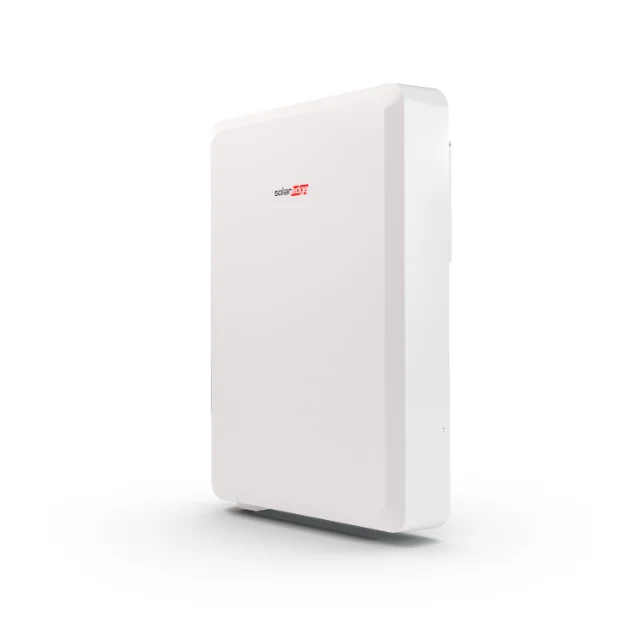
A SolarEdge battery is the storage half of a system that starts on the roof, where each panel gets dedicated electronics. It suits shaded, split and awkward roofs, and houses that run a SolarEdge hybrid inverter today. The battery hardware differs by supply type, so the first decision is also the permanent one.
By Kieron Taylor, Founder, Solar Select · Updated · 6 min read
The verdict
A strong choice where the roof is shaded or faces several directions, or where the right SolarEdge hybrid inverter is on the wall already. The battery family follows your supply type and cannot be changed afterwards, so the quote has to get it right.
Best for: Complex roofs, current SolarEdge hybrid owners, three-phase homes, and fully electric households that want car charging and water heating managed from the battery’s app.
Look elsewhere if: You have one sunny, unobstructed roof plane, you want to keep another brand’s inverter, or you need blackout switchover with no interruption at all.
Battery family, inverter status and the Backup Interface move a SolarEdge quote more than the battery itself. The section on what moves a quote covers each.
The 30-second take
- It begins on the roof. Panels are managed one at a time, which pays on shaded and multi-directional roofs and adds little on a clean, sunny one.
- Two battery families. One high-voltage unit for single-phase supply, and low-voltage LFP modules that stack for three-phase supply. The hardware is different and cannot be exchanged later.
- SolarEdge inverter required. Each family is DC-coupled and depends on the corresponding SolarEdge hybrid inverter, so fitting one to another brand’s system means a new inverter as well.
- Backup is a separate unit. The Backup Interface provides blackout supply and black start, and the changeover includes a brief pause that restarts sensitive equipment.
- The installer carries more than usual. Family selection, string layout and commissioning all sit with them, so agree a timeline and a named person to escalate to before work begins.
A roof-shape decision before it is a battery decision
The storage in a SolarEdge Home Battery system is the second half of a design that starts on the roof. Every panel has a dedicated optimiser behind it and its output is managed independently, so one weak panel cannot pull the rest of a string down with it.
That matters a great deal on some houses and very little on others. Where a chimney, a tree or a neighbouring wall throws shade across part of the array, or where panels are spread over several roof faces, managing them one by one wins back energy an ordinary string layout gives away. On one clean, sunny, north-facing plane there is little left to win back, and the extra electronics become capability you carry without using.
There is a forward-looking version of the same argument, and it seldom comes up when quotes are being prepared. A string system is drawn around the shade that exists today. Where saplings are growing, or the block next door could be built up, an optimised array keeps its clear panels producing whatever happens to the others. Mention it to the installer early in the design conversation.
The optimisers work with most mainstream panel brands, so the commitment is to SolarEdge’s inverter and optimisers and not to a particular panel maker. Ask which panels are being paired with them, and why those.
Two battery families, and no way to swap between them
This is the part few people think to ask about. SolarEdge storage comes as two separate hardware families. A high-voltage battery serves single-phase homes. Low-voltage lithium iron phosphate modules, stacked to the size required, serve three-phase homes alongside SolarEdge’s Home Hub Universal inverter. Each family is DC-coupled, and each needs its own matching hybrid inverter from the same maker.
Hardware from one family will not work in the other. A battery specified for the wrong supply type cannot be moved across later, which turns a specification slip into a permanent one. The choice follows your electricity supply, so the check is simple: have the installer write down which family is quoted and confirm it against the supply at your meter box.
The same logic governs retrofits. With a suitable SolarEdge hybrid inverter in place, adding storage is a tidy upgrade. With another brand’s inverter — or a SolarEdge inverter from before the hybrid generation — a new inverter joins the job, and that usually undoes the sums. A household set on keeping its current inverter is better served by an AC-coupled battery from another maker. Once you know which case applies, you can compare SolarEdge battery installers by state.
“The battery follows your supply type and the choice cannot be revisited, so get the family named in writing before anything else on the quote.”
Backup comes from a separate unit, and it pauses first
Blackout supply is not built into the battery. It comes from the Backup Interface, a separate piece of hardware that also handles black start, and it can be set up for the whole home or for selected circuits. If it is not itemised on the quote, the system will not run the house when the grid drops.
The changeover has a pause designed into it; SolarEdge says the delay is intentional. It is brief but you will notice it: a desktop computer, certain medical devices and similar sensitive gear will lose power and restart. For most households that is a minor annoyance. If uninterrupted supply is a firm requirement, raise it before signing, because this design is not built to deliver it.
The equipment that decides a SolarEdge quote
Two SolarEdge quotes for the same house can sit far apart because they describe different amounts of equipment. These are the items that shift the total.
- Which family is quoted. The high-voltage unit for single-phase supply or the low-voltage stack for three-phase — different hardware, paired with a different inverter.
- The inverter. On the wall and suitable, or supplied as part of this job.
- Backup Interface. Included or left out, and whole-home or partial where it is included.
- Optimisers and string layout. More panels mean more optimisers, and the layout is where the shade benefit is secured or lost.
- How many modules are stacked, for three-phase systems where capacity is built up that way.
Before comparing totals, ask each installer to show the exact quoted battery model on the Clean Energy Council’s current approved list. Eligibility for the federal Cheaper Home Batteries Program is decided model by model, so a brand-level assurance is not the answer that counts. Then get up to 3 SolarEdge quotes from vetted installers and line them up item by item.
Living with it: panel-level data, one app, and the commissioning conversation
Day to day, the standout is monitoring at panel level. When output looks low you can see which panel is responsible, which gives you a specific diagnosis in place of a vague suspicion and a call-out.
The ecosystem reaches beyond storage. A car charger, the hot-water system and switched loads can all be run from the battery’s app. That is valuable in a house that has gone fully electric and irrelevant in one that will never fit those devices.
Staging works well here. Install the right hybrid inverter alongside the panels today and the battery can follow later without rework, provided the installer knows storage is planned — inverters from before the hybrid generation will not accept a battery.
Commissioning has been reported as a friction point for this brand in Australia. Settle a commissioning timeline and a named escalation contact with the installer before work starts.
Who should put SolarEdge on the shortlist
- Shaded, split or awkward roofs, where managing each panel separately recovers real output.
- Owners of a suitable SolarEdge hybrid inverter — the clean retrofit.
- Three-phase households, served by the low-voltage stack and its dedicated three-phase inverter.
- Fully electric homes that want vehicle charging, water heating and switched loads in a single app.
- Probably not a simple sunny roof, a home keeping another brand’s inverter, or a household that needs blackout switchover with no interruption.
The Clean Energy Regulator inspected 1,278 home battery installations between July 2025 and April 2026 and classed more than 60% as substandard, a finding about workmanship far more than hardware. With this brand the installer also decides the battery family, the string layout and how smoothly commissioning runs. Through Solar Select you can hear from up to 3 vetted installers; ask each how many SolarEdge battery systems they have commissioned. Start by finding vetted SolarEdge installers in your state.
How long would a SolarEdge take to pay for itself at your place?
Postcode, your bill, and whether the roof already has panels. About a minute, and the ten-year figure is yours before anyone asks for a phone number. Start with vetted SolarEdge installers in your state.
Read next
Sources
Every quantitative claim on this page traces to one of the sources below — government, manufacturer, or independent AU industry reference. Last verified 2026-09-17.
We use AI to help research and draft. Claims are traced to the sources below and dated. Where we haven’t got a source, we say so on the page — treat that as a starting point and do your own research.
General information only. It doesn’t take your circumstances into account and isn’t legal, financial, insurance or electrical advice. Rebates, tariffs, network rules and product terms change — confirm anything you plan to rely on with your installer, insurer, retailer or distributor, and see our terms.
Postcode in, up to 3 vetted installers out. Free for homeowners, no obligation. All solar guides · Federal rebates · How it works
Filed under: Brand deep-dives