Brand deep-dives
SolaX battery review
SolaX batteries: the deepest stack in the mainstream, and the pairing catch.
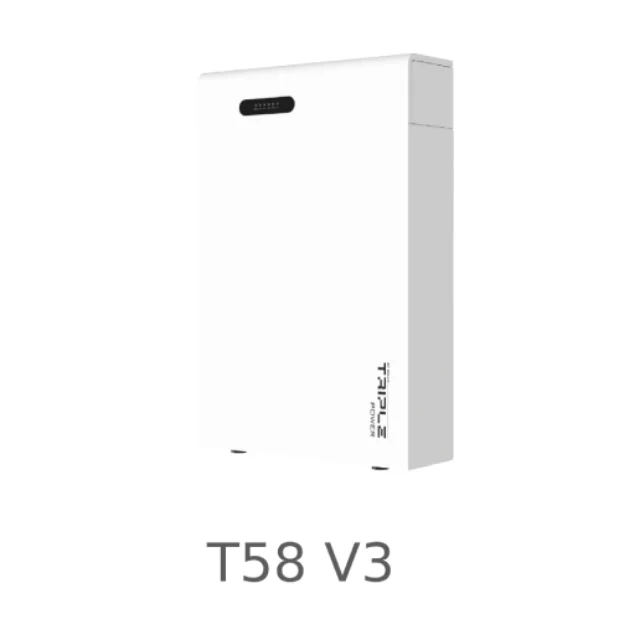
SolaX’s high-voltage T-BAT HS range stacks up to 13 modules, which is more headroom than almost any residential competitor offers. It is a genuine differentiator if you need it — and an irrelevance you are paying to carry if you do not.
By Kieron Taylor, Founder, Solar Select · Updated · 7 min read
The verdict
Mid-priced, with more expansion headroom than almost any mainstream rival and built-in heating for cold sites. Both are worth paying for only if you will use them, and the batteries expect a SolaX hybrid inverter.
Best for: Cold-climate installs, households that will genuinely add modules later, and new systems where a SolaX inverter is being specified anyway.
Look elsewhere if: It is a simple retrofit onto a recent inverter from another brand. Cost the inverter swap into the total before deciding.
The sourced per-kWh range and its review date are under “What it costs”, below.
The 30-second take
- Two families: T-BAT HS high-voltage stacks from roughly 7.3 kWh to 47.9 kWh across 2–13 modules, and the low-voltage LD packs from about 5.1 kWh.
- Solar Choice’s installer network puts SolaX at roughly $900–$1,050 per usable kWh installed, before the federal battery rebate — mid-pack rather than budget. Its review is dated June 2026; we checked it September 2026.
- LFP chemistry with an integrated BMS and a claimed cycle life above 6,000.
- Built-in low-temperature heating, which matters in the Tasmanian, alpine and inland-highland installs where most batteries quietly derate.
- The real decision is inverter pairing: SolaX batteries expect SolaX X1 or X3 hybrid inverters, so a retrofit onto another brand is the question to settle before anything else.
What the 13-module stack is actually for
The headline SolaX number is stack depth. A T-BAT HS system runs from two modules to thirteen, which takes it from around 7.3 kWh up to 47.9 kWh on a single stack. Most residential competitors top out well below that. You can also find accredited SolaX installers in your state.
Be realistic about whether you are the household that needs it. Forty-plus kilowatt-hours is a large rural property, a home running three-phase loads, a household with an EV and no daytime export appetite, or someone deliberately building toward near-independence. For an ordinary suburban house with a 6.6 kW array, the thirteenth module is theoretical.
Where the depth does earn its money for a normal household is optionality: starting at a modest stack and adding modules later without replacing the battery or the inverter. If you buy SolaX for that reason, get the expansion path in writing — which modules, at what future cost, and whether the model you are buying today will still be available to add to.
“Thirteen modules is a real differentiator for a handful of households, and a specification you are paying to carry for everyone else.”
What it costs
Solar Choice averages real quotes across its own installer network and puts SolaX at roughly $900–$1,050 per usable kWh installed, before the federal battery rebate. That places it above the budget end of the market and below the top end — squarely mid-pack. Reviewed September 2026; it varies by installer, site and configuration.
Indicative installed price before the federal battery rebate — it varies by installer, site and configuration. Each figure carries the date its source was reviewed.
The per-kWh figure is the one to compare on, not the headline total, because stackable systems are quoted at whatever configuration the installer chose. Two SolaX quotes for "a SolaX battery" can be different products at different capacities, so normalise both to dollars per usable kilowatt-hour before you decide anything.
Cold-weather heating: a small feature that is occasionally the whole decision
Lithium batteries lose usable capacity and charge acceptance as they get cold, and most residential batteries handle that by simply derating — you lose performance on exactly the winter mornings you wanted the stored energy. Comparing quotes already? Find accredited SolaX installers in your state — up to 3, free.
SolaX builds low-temperature heating into the pack. For a Brisbane garage this is irrelevant. For a garage in the Tasmanian midlands, the Victorian high country, Armidale or Canberra, it is the difference between a battery that works all year and one that disappoints for three months of it. If you are in a genuinely cold postcode, this is a legitimate reason to shortlist SolaX ahead of a cheaper pack.
The pairing question, and why it comes first
SolaX high-voltage batteries are designed around SolaX hybrid inverters — the X1 single-phase and X3 three-phase ranges. That is fine on a new solar-and-battery install where the whole system is being specified together.
It is the central question on a retrofit. If you already have a healthy inverter of another brand, adding a SolaX battery usually means replacing it, and that cost belongs in the comparison. A quote that shows a battery price without showing the inverter it depends on is an incomplete quote.
- Ask which inverter the quote assumes, and whether it is already on your roof.
- If the inverter is being replaced, ask what happens to the old one — and whether its remaining warranty is being written off.
- Confirm the exact model is on the Clean Energy Council approved battery list. Rebate eligibility is model-specific, not brand-specific.
- Get the expansion path priced now if stack depth is why you are choosing SolaX.
Who should shortlist it
- Cold-climate installs, where the built-in heating is a real functional advantage.
- Households that genuinely want to expand later, and will actually do it.
- New solar-and-battery installs where the SolaX inverter is being specified anyway.
- Probably not a straightforward retrofit onto a recent inverter of another brand, unless the numbers still work once the inverter swap is in the total.
And the constant across every brand on this site: the Clean Energy Regulator inspected 1,278 home battery installations between July 2025 and April 2026 and classified more than 60% as substandard and 1.2% as unsafe, overwhelmingly on installation rather than hardware. Get matched with 2-3 vetted solar installers — typically 2+ years in business, with a track record of decent reviews — and ask each how many SolaX stacks they have commissioned. From here, get up to 3 SolaX quotes from vetted installers in your state — free, and nobody else sees your details.
How long would a SolaX take to pay for itself at your place?
Postcode, your bill, and whether the roof already has panels. About a minute, and the ten-year figure is yours before anyone asks for a phone number. Start with vetted SolaX installers in your state.
Read next
Sources
Every quantitative claim on this page traces to one of the sources below — government, manufacturer, or independent AU industry reference. Last verified 2026-08-24.
We use AI to help research and draft. Claims are traced to the sources below and dated. Where we haven’t got a source, we say so on the page — treat that as a starting point and do your own research.
General information only. It doesn’t take your circumstances into account and isn’t legal, financial, insurance or electrical advice. Rebates, tariffs, network rules and product terms change — confirm anything you plan to rely on with your installer, insurer, retailer or distributor, and see our terms.
Postcode in, up to 3 vetted installers out. Free for homeowners, no obligation. All solar guides · Federal rebates · How it works
Filed under: Brand deep-dives