Brand deep-dives
Tesla Powerwall 3 review
What it costs, how long it takes to pay back, and who it suits.
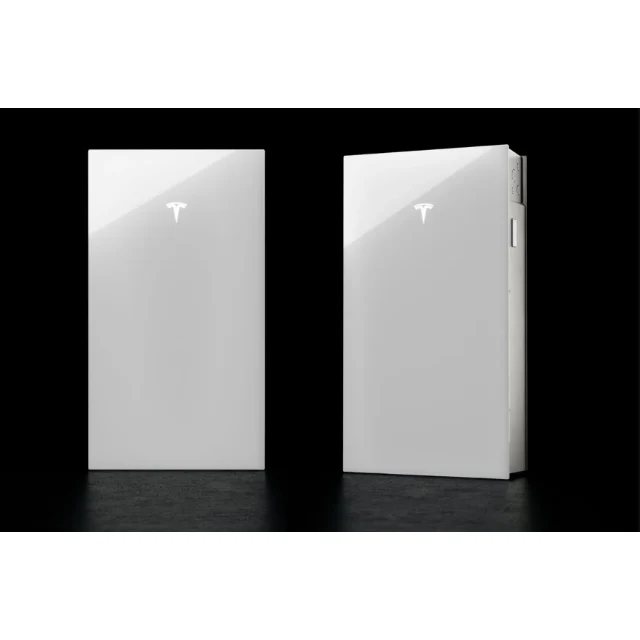
- $13,500 to $17,500 before rebate
The Powerwall is the battery most Australians can name. This is the plain read on the price, the payback, the single-phase catch and the recall, with every number traced to its source.
By Kieron Taylor, Founder, Solar Select · Published 12 August 2026 · Updated · 8 min read
The verdict
Still an easy shortlist for a single-phase home buying solar and a battery together. Not the automatic answer for three-phase backup, a large stack, or a roof that already has a good hybrid inverter.
Best for: Single-phase homes buying solar and a battery together, and households that want the widest choice of virtual power plants behind one app.
Look elsewhere if: Your home is three-phase and you want the whole house backed up, you want to add capacity in small steps, or you already own a recent hybrid inverter.
The installed range for one unit, its source and the rebate deduction are in the table below, and the full working is in the Powerwall price guide.
The 30-second take
- Price. $13,500 to $17,500 installed for one Powerwall 3 before the federal battery rebate (Solar Choice, reviewed February 2026). The rebate takes roughly $3,700 off at this size.
- Payback. On Solar Select’s own estimate model, a battery this size added to existing panels on a $150-plus monthly bill returns about $1,400 to $1,800 a year, which lands the payback between five and a half and ten years.
- What you get. Battery and solar inverter in one wall unit, one app, and the widest virtual power plant support of any battery sold here.
- The catch. It backs up one phase. A three-phase home wanting the whole house live in a blackout needs to read the quote line by line.
- The recall. The 2025 recall covers certain Powerwall 2 units, not the Powerwall 3. It is a fault handled through the proper channel, and it is a reason to check any second-hand unit.
Tesla Powerwall at a glance
Each row is read from the source beside it, on the date it carries. Anything the manufacturer has not published is left out rather than guessed.
| Installed price, before the federal rebate | $13,500 to $17,500 for a Tesla Powerwall 3 (13.5 kWh), September 2026 solarchoice.net.au |
|---|---|
| Per usable kWh installed | $1,129 per usable kWh (Solar Choice, February 2026) solarchoice.net.au |
| Federal rebate at 13.5 kWh | About $3,672 off, on the current schedule. Take it off the price above. dcceew.gov.au |
How much does a Tesla Powerwall 3 cost in Australia?
One Powerwall 3, installed, sits at $13,500 to $17,500 before the federal battery rebate. That band comes from Solar Choice’s installer-network average of $1,129 per usable kWh installed (reviewed February 2026) applied to the unit’s 13.5 kWh, with the floor widened to what Solar Scorecard reported in April 2026.
The federal rebate is a deduction you apply to that band, not a second price. At 13.5 kWh it is worth about $3,700 on the current schedule. It tapers above 14 kWh, so two units do not get double. The price guide sets out the deduction at one unit and at two, with the sources beside each figure.
Since mid-August, Tesla has been the second most requested brand by name from homeowners enquiring through Solar Select, behind Sigenergy. That volume is why the installed figure moves less between installers than it does for a brand that is quoted once a month.
What is the Powerwall 3, and what do you get for the money?
The Powerwall 3 puts a battery and a solar inverter in one enclosure. A new solar-and-battery install needs one device on the wall instead of two, which is where most of its value sits. Battery-only expansion units go behind it if you want more storage without a second inverter, and the Backup Gateway is the box that isolates the house from the grid in an outage and decides what stays live.
It has the broadest virtual power plant support of any battery sold in Australia and the longest local operating history. Ten years in, the thing that matters most is how easily someone competent can look at it, and the Powerwall has the largest pool of installers who have commissioned one, diagnosed one and replaced one. See the Tesla Powerwall profile for the product line.
“Over ten years the thing that varies most is not the hardware. It is how easily you can get someone competent to look at it.”
What changes the price between two Tesla quotes?
- Powerwall 3 or an Expansion unit. They are different products at different prices. The quote has to say which.
- How the solar array is strung to the built-in inverter. A lazy retrofit design wastes panel capacity, and it is invisible on a one-line quote.
- The Backup Gateway and the switchboard work behind it. This is the largest swing between two Tesla quotes and the place corners get cut.
- Three-phase or single-phase. On a three-phase home the quote must name which circuits, on which phase, stay live in an outage.
- Site factors. Mounting position, cable runs, indoors or out, and how an outdoor unit handles summer heat.
Powerwall 3 pros and cons
- For: one box, one app, one manufacturer. Battery and inverter together, with the most polished app in the category and the one non-technical households keep using.
- For: the widest virtual power plant support in the market. Effectively every major program works with it, which matters if you want to change retailers later.
- For: the longest track record in Australia. More installers nearby who have seen your exact fault before.
- Against: single-phase backup only. Even with several units, Powerwall 3 energises one phase.
- Against: fixed blocks. You add capacity in whole units, not small steps, and the cost per kWh is better elsewhere at large sizes.
- Against: a closed ecosystem. The tight integration that makes it easy to live with also makes it awkward to mix with other hardware or move between programs on your own terms.
- Against: it needs a live internet connection to work as sold. Patchy wi-fi at the mounting spot becomes a commissioning problem, not a footnote.
Is a Powerwall 3 worth it?
Take the price band above, deduct the rebate, and divide by what the battery saves in a year. On Solar Select’s estimate model, a 13 kWh battery added to existing panels on a bill of $150 a month or more returns about $1,400 to $1,800 a year at the Sydney reference postcode used for the model, with a 5 kW export limit. Against the band above, less the rebate, that puts payback between five and a half and ten years. A bigger bill and a worse feed-in tariff shorten it; a small bill lengthens it.
That is a typical figure, not yours. Your postcode, your bill and whether the roof already has panels move it by years, which is why the estimate below asks for those three things and nothing else before it shows you the ten-year number. The install price is the other half of the sum, and vetted Tesla Powerwall installers in your state are the only people who can put a real number on it.
Who should look at something else?
Three-phase homes that want the whole house backed up. Households that want to grow storage in small steps, or an integrated EV charging path. Anyone who already owns a recent hybrid inverter they do not want to strand. Put it side by side with the newer modular systems before deciding: the Sigenergy comparison does exactly that, and the alternatives guide widens the field.
What about the Powerwall 2 recall?
Tesla issued a voluntary recall covering certain Powerwall 2 units sold between November 2020 and August 2025, over third-party cells that may fail and overheat. It does not cover the Powerwall 3. It is a manufacturing fault handled through the proper channel, and a long field record surfaces problems newer brands have not had time to surface. The recall guide covers how to check a unit.
Who should install it?
- 1,278
- home battery installs the regulator inspected, July 2025 to April 2026
- 60%
- classified substandard
- 1.2%
- classified unsafe
Whichever way you go, the variable with the largest effect on your ten-year experience is not the brand. It is who fits it. Of 1,278 home battery installations the regulator inspected between July 2025 and April 2026, more than 60% were classified substandard and 1.2% unsafe. Only accredited installers can commission a Powerwall, which narrows the field, sometimes to installers who know they are the only local option.
Get two or three quotes from vetted installers, typically 2+ years in business with a track record of decent reviews, and the brand decision becomes what it should have been all along: a preference, not a risk. If the Powerwall is your shortlist, find vetted Tesla Powerwall installers in your state and compare the quotes side by side.
Typical payback, from the model
About $100 a month bill, panels already on the roof · About $150 a month or more bill, panels already on the roof · Price after the rebate
Solar Select estimate model at a Sydney 2000 reference postcode (Ausgrid, 5 kW export limit), battery modelled at 13 kWh, price band from the sourced a Tesla Powerwall 3 (13.5 kWh) figure less the federal rebate of about $3,672.
| Household | Saving | Payback |
|---|---|---|
| About $100 a month, panels already on the roof | about $1,368 a year | 7.5 to over 10 years |
| About $150 a month or more, panels already on the roof | about $1,821 a year | 5.9 to 7.9 years |
How long would a Tesla Powerwall take to pay for itself at your place?
Postcode, your bill, and whether the roof already has panels. About a minute, and the ten-year figure is yours before anyone asks for a phone number. Start with vetted Tesla Powerwall installers in your state.
Frequently asked questions
- How much is a Tesla Powerwall 3 installed in Australia?
- $13,500 to $17,500 for one unit before the federal battery rebate, based on Solar Choice’s $1,129 per usable kWh (reviewed February 2026) at 13.5 kWh. Deduct about $3,700 for the rebate at that size.
- How long does a Powerwall take to pay for itself?
- Between five and a half and ten years on Solar Select’s estimate model, for a battery added to existing panels on a $150-plus monthly bill. Your bill, your tariff and your postcode move it by years either way.
- Does the Powerwall 3 back up a three-phase home?
- It backs up one phase, even with several units. A three-phase home can keep some circuits live in an outage, but the quote must say which circuits and which phase.
- Is the Powerwall 3 affected by the 2025 recall?
- No. The recall covers certain Powerwall 2 units sold between November 2020 and August 2025. Check any second-hand Powerwall 2 against the recall notice on productsafety.gov.au.
- Can any electrician install a Powerwall?
- No. Only Tesla-accredited installers can commission the system and keep the warranty intact, which is why quotes should come from more than one of them.
- What is the federal rebate on a Powerwall 3?
- About $3,700 at 13.5 kWh on the current schedule. The rebate tapers above 14 kWh, so a second unit attracts a smaller deduction, not a second $3,700.
Read next
Sources
Every quantitative claim on this page traces to one of the sources below — government, manufacturer, or independent AU industry reference. Last verified 2026-09-20.
We use AI to help research and draft. Claims are traced to the sources below and dated. Where we haven’t got a source, we say so on the page — treat that as a starting point and do your own research.
General information only. It doesn’t take your circumstances into account and isn’t legal, financial, insurance or electrical advice. Rebates, tariffs, network rules and product terms change — confirm anything you plan to rely on with your installer, insurer, retailer or distributor, and see our terms.
- solarchoice.net.au — Tesla Powerwall review, installed $/kWh (reviewed February 2026)
- solarscorecard.com.au — Powerwall before-rebate floor, April 2026 (corroboration)
- dcceew.gov.au — Cheaper Home Batteries Program
- productsafety.gov.au — Powerwall 2 recall (PRA 2025/20611)
- uts.edu.au — CER battery inspection findings, April 2026
- cleanenergycouncil.org.au — approved batteries list
Postcode in, up to 3 vetted installers out. Free for homeowners, no obligation. All solar guides · Federal rebates · How it works
Filed under: Brand deep-dives